How a Logistics Centre Reduced Trailer Turnaround Time with New Dock Levelers

Trucks come and go at a warehouse all day. Sometimes they wait too long because the dock is slow or broken. That makes everyone unhappy: drivers, workers, and even customers. BXC Dock Services helps warehouses fix these problems with smart Loading Dock services. They make sure docks are safe, fast, and ready to keep trucks moving smoothly. With better docks, trailers leave faster, workers are safer, and shipments arrive on time.

Paths to Improved Efficiency

Before the upgrade, trailers had to wait a long time. Old docks made loading slow, and sometimes equipment broke down. Workers had to spend extra time fixing things instead of moving goods.

Without regular loading dock maintenance, small problems like stuck dock plates or broken bumpers turned into big delays. These delays slowed down shipments and frustrated drivers. It was clear that something needed to change.

Installing New Dock Levelers

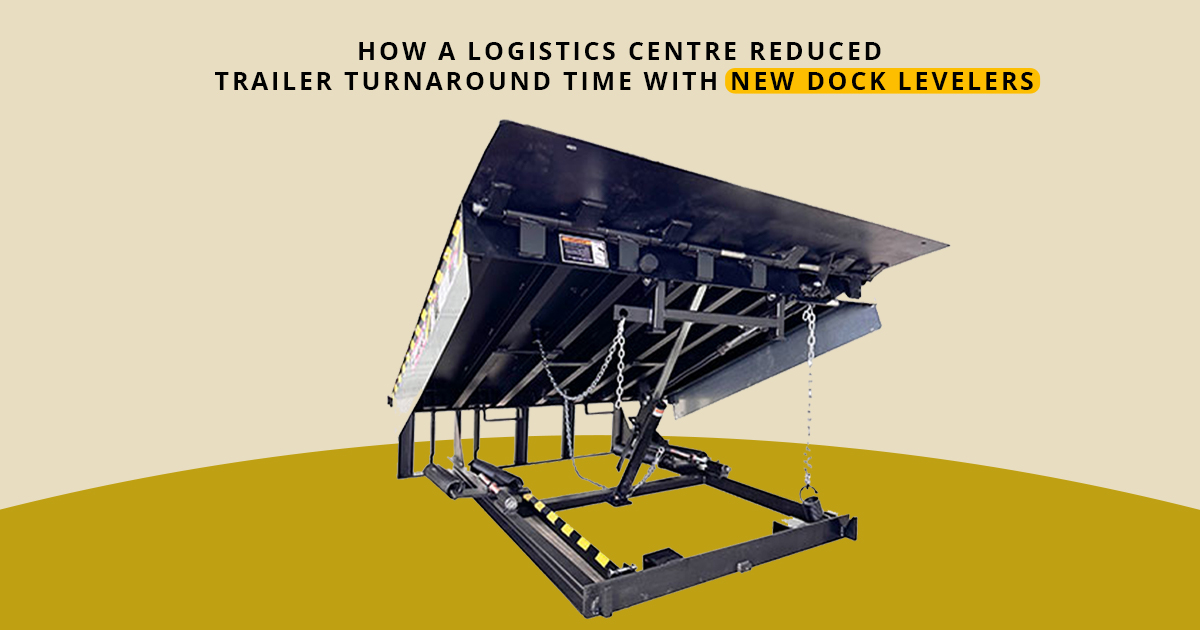
BXC Dock Services brought in new dock levelers. These are strong platforms that connect the warehouse to the truck. They move up and down so trucks of different heights can be loaded easily.

With professional fast-loading dock solutions, workers could move shipments faster. The new levelers made the docks safer and more reliable. No more waiting for trucks to adjust or struggling with broken equipment. The warehouse could now handle more trailers each day.

Keeping Equipment in Shape

Installing new equipment is only the start. Regular loading dock maintenance keeps everything working well. We check dock levelers, bumpers, seals, and all parts to prevent problems before they happen.

When docks are maintained, workers feel safe. They can focus on loading and unloading without worrying about broken equipment. Maintenance also stops little problems from becoming big delays.

How Downtime Was Reduced

One big goal was reducing dock downtime. Every minute a dock isn’t working costs money and slows trucks. New dock levelers, combined with maintenance, helped the warehouse keep docks running all day.

Trucks now arrive, unload, and leave much faster. Less waiting means the warehouse can move more shipments without building more docks. Staff can work calmly, and drivers get back on the road sooner.

Benefits of Upgraded Docks

The new docks changed the warehouse for the better. Loading became faster, safer, and smoother. Workers had less stress, and drivers appreciated the speed.

Here’s what improved with the new dock levelers:

  • Faster trailer turnaround and less waiting
  • Safer docks for workers and drivers
  • Easier scheduling for high-volume shipping docks

  • Consistent handling of all products
  • Overall, smoother warehouse operations

Why Professional Services Matter

BXC Dock Services doesn’t just sell equipment; they offer complete Loading Dock services. This includes checking the warehouse, installing new docks, and ongoing maintenance.

With expert help, warehouses can manage high shipment volumes without worrying about broken equipment. Safe, fast docks make everyone’s job easier and help keep deliveries on time.

Smarter Docks, Happier Warehouses

Modern docks make a big difference. By using professional fast-loading dock solutions, scheduling regular maintenance, and focusing on reducing dock downtime, warehouses can work smarter, not harder.

BXC Dock Services helps warehouses stay efficient and safe. New dock levelers mean faster shipments, safer staff, and happier customers. Contact us today and make your docks ready for smooth, fast operations.

FAQs

  1. How do new dock levelers help trailers move faster?
    They adjust to different truck heights and make loading and unloading quick and safe.
  2. Why is loading dock maintenance important?
    It prevents breakdowns and keeps operations smooth and safe.
  3. What are fast-loading dock solutions?
    They are modern equipment and systems that help move goods quickly and safely.
  4. How does reducing dock downtime help a warehouse?
    It allows more trucks to load and unload without delays, saving time and money.
  5. Can BXC Dock Services help any warehouse?
    Yes, they provide customized solutions for all sizes and types of warehouses.
The Rise of E-Commerce Fulfilment: Why Loading Dock Design Matters More Than Ever

E-commerce is growing super fast. People love ordering online, and they want their packages quickly. This puts a lot of pressure on warehouses to move products fast. BXC Dock Services helps businesses make sure their docks are ready for the rush. With smart dock leveler installation, warehouses can work smoothly, safely, and on time.

A loading dock is not just a place for trucks. It’s where everything starts and ends in a warehouse. If the dock is designed poorly, trucks wait, packages pile up, and workers get frustrated. A good dock design helps products move quickly, staff stay safe, and deliveries happen on schedule.

Why Loading Dock Design Makes a Big Difference

Many warehouses face problems when their docks are small, messy, or not planned well. Trucks may have to wait because ramps are too narrow or equipment is in the wrong place. In busy areas like Loading Dock Doral, this can slow down the whole operation.

A smart dock layout also keeps workers safe. Heavy pallets, forklifts, and trucks moving at the same time can be dangerous. With a clean and organized dock, accidents are less likely, and everyone can work faster.

High-Volume Shipping Docks Keep Things Moving

E-commerce warehouses handle hundreds of shipments every day. To manage this, high-volume shipping docks are important. These docks let many trucks load or unload at the same time, cutting down long waits and helping workers stay on schedule.

High-volume docks also make work easier. Employees can move products side by side without bumping into each other. This keeps the workflow smooth and helps meet tight shipping deadlines.

Safety Comes First

Efficiency is great, but safety is even more important. Loading dock safety and efficiency go hand-in-hand. Non-slip floors, bright lights, and clear signs make a big difference in preventing accidents.

When safety and efficiency are both considered, staff can move quickly without worrying. This means fewer delays, fewer injuries, and happier customers getting their packages on time.

Why Professional Dock Installation Matters

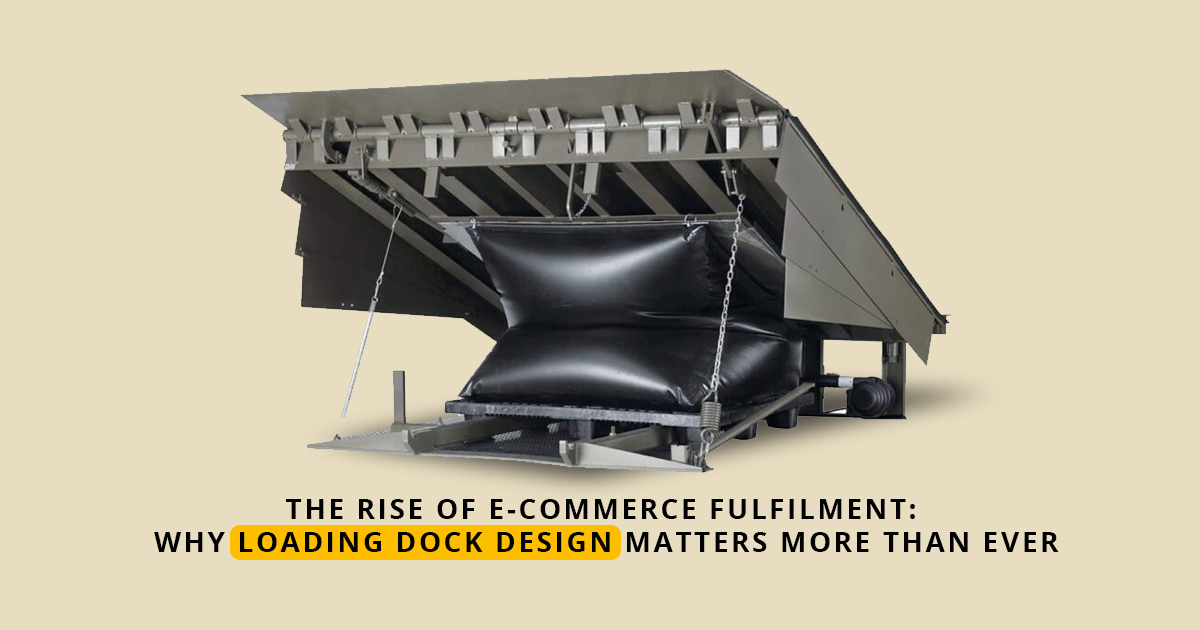
Equipment is the heart of a dock. Proper dock leveler installation ensures ramps and lifts line up with trucks. If it’s done wrong, trucks might wait longer, and products can get damaged.

Professionals make sure the equipment works right from the start. This avoids interruptions and keeps warehouses running smoothly. Good installation also makes the dock safer for everyone, which saves time and money in the long run.

Planning for the Future

E-commerce is not slowing down. Warehouses need docks that can handle even more shipments in the future. Planning high-volume shipping docks today makes growth easier tomorrow.

With smart design in areas like Loading dock Doral, docks can handle bigger trucks, more shipments, and faster turnaround. This future-proofing means the warehouse will stay efficient and reliable, even as online shopping grows.

How BXC Dock Services Helps

BXC Dock Services provides solutions that make loading docks safe, fast, and ready for modern e-commerce. They handle professional dock leveler installation to ensure ramps and equipment work correctly. With proper planning and expert help, warehouses can prevent delays, reduce risks, and maintain smooth daily operations. This keeps staff safe, customers satisfied, and shipments moving efficiently.

Why Good Dock Design Helps Everyone

  • Trucks and pallets move faster, reducing delays.
  • Workers stay safe and avoid accidents.
  • Multiple trucks can load or unload at once.
  • Daily operations run more smoothly.
  • Docks can grow with future shipping needs.

Good design keeps everything flowing and makes warehouse life easier.

Ensuring Smooth and Safe Warehouse Operations

E-commerce is growing faster than ever. Fast deliveries mean warehouses must work smarter. Professional dock leveler installation helps ensure ramps and equipment function properly. BXC Dock Services supports warehouses in designing docks that keep everything moving safely and smoothly. Whether in busy areas or high-traffic zones, their expertise prepares warehouses for today’s fast-paced e-commerce world. Investing in professional dock solutions now means faster shipments, safer staff, and happier customers tomorrow.

FAQs

  1. Why does dock design matter for e-commerce?
     A smart dock helps products move fast, keeps staff safe, and reduces delays in shipping.
  2. What are high-volume shipping docks?
     These docks allow many trucks to load or unload at the same time, speeding up operations.
  3. How does dock leveler installation improve work?
     Proper installation ensures ramps and lifts work correctly, preventing delays and accidents.
  4. What makes a dock safe for workers?
     Non-slip floors, good lighting, clear signs, and organized layouts all improve loading dock safety and efficiency.
  5. Can docks grow with increasing shipments?
     Yes. Thoughtful design and professional help make docks ready for higher volumes and future e-commerce demands.

Top 5 Sustainability Trends in Loading Dock Equipment

Warehouses are busy places where trucks bring products in and out every day. Workers move boxes, pallets, and packages all over the place. All this work is important, but it can use a lot of energy and make a lot of waste if the right equipment isn’t used. BXC Dock Services helps warehouses use sustainable loading dock equipment to make work faster, safer, and better for the environment.

Sustainability may sound like a big word, but it really just means taking care of resources so nothing is wasted. In 2025, many warehouses are finding smart ways to save energy, reduce costs, and help the planet while still keeping their work running smoothly.

Smarter Material Handling Equipment

Forklifts, pallet jacks, and conveyor belts are the main tools for moving heavy things around a warehouse. Old machines can be slow, break easily, and use too much electricity. New material handling equipment is designed to save energy, last longer, and make work easier for everyone.

Smart machines move boxes and pallets quickly and safely. They also need fewer repairs, which means less downtime. Choosing the right handling equipment is one way BXC Dock Services helps warehouses become more eco-friendly and efficient.

Energy-Saving Dock Doors

The doors where trucks come in and out are very important. If they don’t close properly, air leaks in and out, making the warehouse too hot or too cold. That wastes energy. Good Loading Dock Installation makes sure doors fit perfectly and open and close smoothly.

Better doors save energy, protect goods, and make workers’ jobs easier. Using energy-smart dock doors is a small step that makes a big difference for sustainability in logistics 2025.

Eco-Friendly Dock Levelers and Lifts

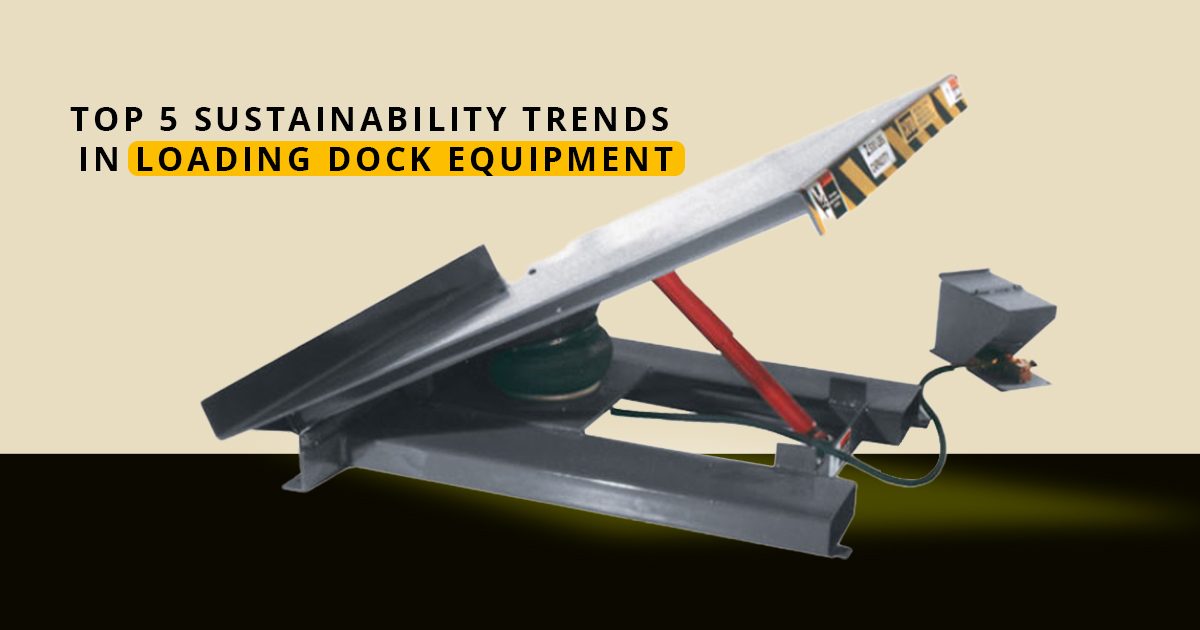
Dock levelers and lifts help move products safely between trucks and warehouses. Old ones can break easily and waste energy. New sustainable loading dock equipment uses energy-saving designs and strong motors to work well for a long time.

These lifts last longer and need fewer repairs. They also use less electricity, helping warehouses save money and protect the environment.

How Sustainable Dock Equipment Helps

  • Saves electricity and reduces energy costs
  • Lasts longer and needs fewer repairs
  • Makes work safer and faster
  • Reduces waste and protects the environment
  • Helps warehouses reach green goals

BXC Dock Services makes sure warehouses get the right equipment so work is easier and the planet is safer.

Smart Sensors and Automation

Some warehouses are using technology that makes machines smart. Sensors and automated systems can see when equipment is being used and tell managers when it needs maintenance.

This smart warehouse technology makes machines work only when needed. It stops delays, keeps workers safe, and saves energy. Smart sensors also help track boxes and pallets so everything moves smoothly.

Using Durable and Recycled Materials

Many docks are now made from recycled or strong materials. Dock bumpers, seals, and platforms can be tough while being eco-friendly. Using these materials means fewer replacements and less waste.

Durable materials save money and help the warehouse stay green. BXC Dock Services makes sure these materials are installed correctly so they last a long time and work safely.

Maintenance Keeps Equipment Green

Even the best equipment needs care. Regular warehouse loading dock service checks keep everything working well. Maintenance prevents breakdowns, saves energy, and keeps equipment lasting longer.

Combining eco-friendly upgrades with regular maintenance is a smart way to run a warehouse. It helps save money, protects workers, and supports sustainability.

Make Your Warehouse Greener and Smarter

Sustainability isn’t just a trend. It’s a way to save energy, reduce waste, and keep warehouses running smoothly. From material handling equipment to energy-saving dock doors, eco-friendly lifts, smart sensors, and recycled materials, there are many ways to improve operations.

BXC Dock Services helps businesses choose and install the right sustainable loading dock equipment. Their team makes sure docks are efficient, safe, and good for the environment. By making smart choices now, warehouses can save money, help the planet, and stay productive in 2025 and beyond.

FAQs

  1. What is sustainable loading dock equipment?
    It is equipment that uses less energy, lasts longer, and helps warehouses work efficiently while caring for the environment.
  2. How does smart material handling equipment help?
    It moves boxes safely and quickly, saves energy, and reduces repair needs.
  3. Why are energy-saving dock doors important?
    They stop hot or cold air from leaking, save electricity, and keep products safe.
  4. Can recycled materials really work well?
    Yes, recycled materials today are strong, durable, and reduce waste.
  5. How does maintenance support sustainability?
    Regular maintenance keeps equipment working well, prevents energy waste, and helps it last longer.

How Smart Warehouses Are Using IoT to Optimize Loading Dock Operations in 2025

Warehouses are busy places. Trucks come and go, packages are moved, and docks are always in use. Sometimes, it can be hard to keep everything running smoothly. Loading docks may face delays, equipment can break, and workers can struggle to keep up. BXC Dock Services knows these problems well, and with new technology, there are smarter ways to manage docks today. Smart warehouse technology is helping businesses see problems before they happen and work faster than ever.

Making Loading Docks More Efficient Every Day

Many warehouses face the same challenges at the loading dock.

  • Trucks arrive at the wrong time or the wrong dock, causing delays.
  • Dock levelers or lifts may not work properly, slowing down loading and unloading.
  • Sometimes, the dock seals or doors don’t close well, letting heat or cold escape.
  • It can be hard to know which equipment needs repair without checking everything manually.

These small problems can cause big slowdowns. Packages may be late, trucks may have to wait, and workers may get frustrated. Warehouse loading dock repair can fix equipment, but spotting problems early is even better.

How Smart Technology Helps

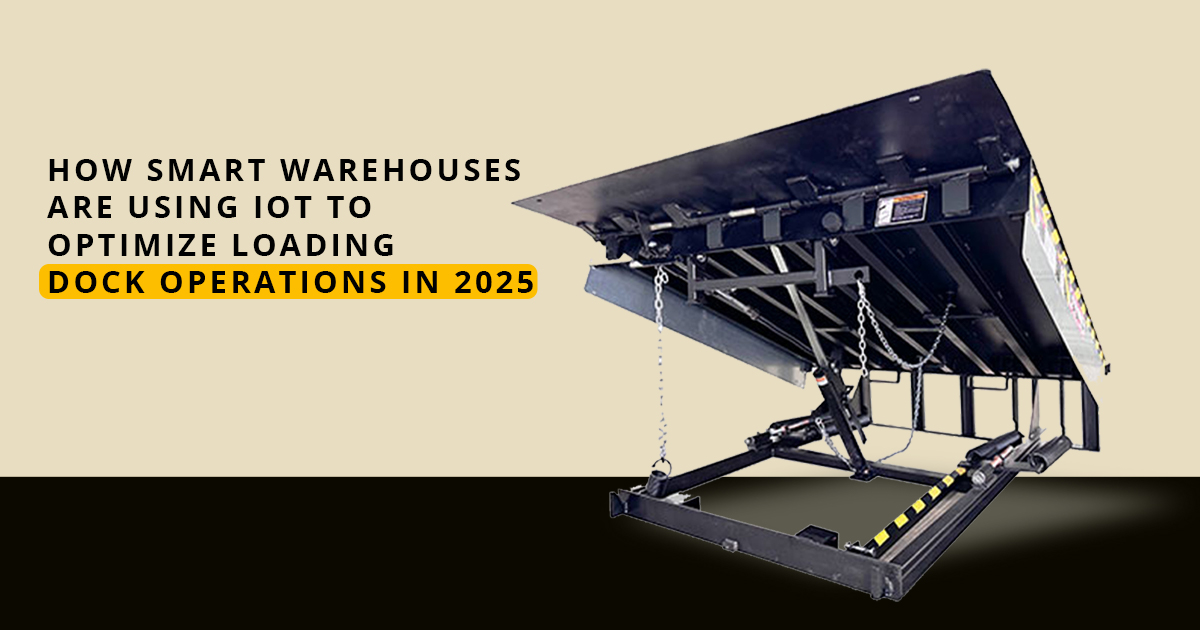
Smart warehouses use smart warehouse technology and the Internet of Things (IoT) to make docks work smoothly. Sensors, software, and cameras track every movement at the dock. This means managers can see what’s happening in real time, even from their office or phone.

Some benefits include:

  • Knowing when a truck will arrive so workers are ready.
  • Checking dock equipment automatically to see if it needs repair.
  • Reducing mistakes by giving real-time alerts for problems.
  • Saving energy by controlling doors, seals, and lights smartly.

Using this technology, warehouses don’t have to wait for a breakdown to act. They can solve small issues before they turn into big problems.

Real-Time Dock Monitoring Makes a Big Difference

One key part of smart docks is real-time dock monitoring. This lets warehouses watch every dock, lift, and door at all times. If a dock seal is loose or a leveler is slow, the system shows it right away. Staff can then schedule warehouse loading dock service or repairs quickly.

With this approach:

  • Less equipment breaks down unexpectedly.
  • Trucks spend less time waiting.
  • Workers can plan their day better.
  • Operations are safer and more organized.

BXC Dock Services offers support for smart systems, helping warehouses use data to stay ahead of problems.

How Repairs and Service Fit In

Even with smart technology, equipment can still wear out. That’s where warehouse loading dock repair comes in. Regular inspections and repair work keep levelers, lifts, doors, and seals in good shape. When a warehouse combines smart monitoring with professional repair services, downtime is rarely a big problem.

Here’s what a strong service plan looks like:

  • Quick checks on levelers and lifts to prevent surprises.
  • Door and seal maintenance to keep energy costs low.
  • Tracking equipment history to plan replacements before failures.
  • Staff alerts when repairs are needed to avoid long waiting times.

This combination keeps operations smooth and safe.

Why Smart Warehouses Stay Ahead

Warehouses using IoT and professional dock services can handle more shipments with less stress. Workers spend less time fixing problems and more time moving goods efficiently. Trucks leave on time, deliveries reach customers faster, and energy is saved with better dock control.

With BXC Dock Services, companies get guidance on which smart tools to use, how to monitor docks in real time, and how to keep all equipment in top condition.

Benefits in Short

  • Faster loading and unloading.
  • Less downtime from broken equipment.
  • Better safety for workers and trucks.
  • Energy savings with doors and seals.
  • Peace of mind knowing the dock is always monitored.

How BXC Dock Services Can Help

BXC Dock Services specializes in helping warehouses use smart technology and professional dock support together. They offer:

  • Warehouse loading dock service to maintain doors, seals, and levelers.
  • Smart solutions to track docks and prevent delays.
  • Repair services to fix any issues that appear.
  • Advice on planning smart upgrades to improve productivity.

By using these services, warehouses in South Florida and beyond can work smarter, not harder, and keep operations running without unnecessary stops.

Get Started Today

Keeping a warehouse dock running smoothly is easier with smart tools and expert help. BXC Dock Services provides everything from real-time dock monitoring setups to repair and maintenance services. With proper planning, warehouses can improve efficiency, reduce delays, and make sure trucks, packages, and workers stay on schedule.

Contact us today to learn how your warehouse can start using smart technology, keep docks safe and fast, and improve daily operations. Your team, trucks, and shipments will thank you.


FAQs

  1. How does smart warehouse technology help docks?
    It tracks trucks, equipment, and workers in real time, helping warehouses fix problems before they slow down work.
  2. What is real-time dock monitoring?
    It’s a system that watches docks constantly to alert staff when doors, seals, or levelers need attention.
  3. Why is warehouse loading dock repair important?
    Even with technology, equipment can wear out. Regular repairs prevent downtime and keep operations smooth.
  4. How often should a dock be serviced?
    Regular inspections are recommended, usually every few months, to maintain levelers, doors, and seals.
  5. Can smart technology save energy?
    Yes, automated doors and seals reduce energy loss and help keep temperature control costs lower.

The Cost of Dock Construction: Budgeting for Your Project

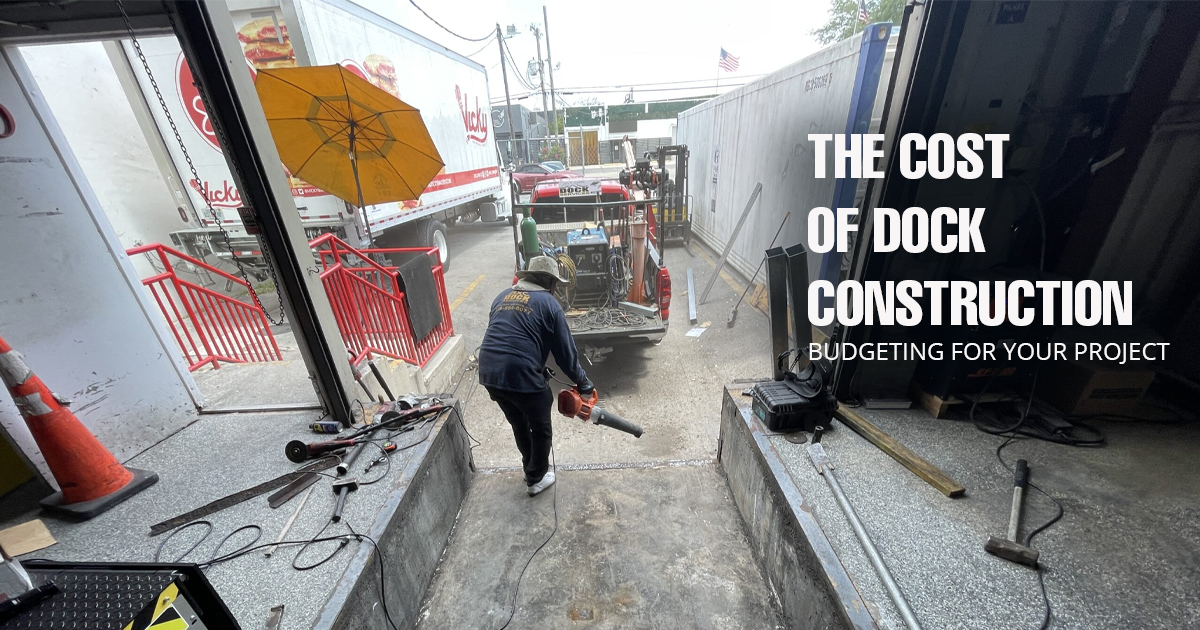
Building a dock can be more complicated than it first seems. Many businesses focus only on the price of equipment, but site conditions, installation, and maintenance can greatly affect the overall cost. Unexpected expenses like concrete repairs, permits, or extra labor can delay the project or increase the budget. BXC Dock Services provides expert guidance to help companies plan each step of their Loading dock Doral project, ensuring a smoother process from start to finish.

Common Challenges in Dock Construction

  • Choosing the Right Dock Type: Fixed in-pit docks provide a durable, permanent solution with a smooth interface between the building and trailers. However, they require significant site preparation, including excavation and concrete work, which can increase downtime and costs. Floating or no-pit options, such as edge-of-dock levelers or portable ramps, avoid pit construction and can be installed faster. We help businesses evaluate these options to match dock type with operational needs and budget.
  • Additional Equipment and Features: Vehicle restraints, dock levelers, seals, and overhead doors are crucial for safety and climate control, but each adds to the overall cost. Without proper planning, these components can lead to repeated repairs and higher expenses. BXC Dock Services ensures all equipment is selected and installed to suit the workflow, reducing unexpected costs and improving efficiency.
  • Site Condition Challenges: Problems like cracked concrete, poor drainage, or limited headroom may require extra work during construction. Overlooking these issues can result in expensive retrofits later. We conduct thorough site surveys to identify potential obstacles and provide recommendations, keeping projects on schedule and within budget.

Planning for Equipment and Installation Costs

Dock equipment itself is a major part of the budget. Hydraulic or vertical levelers are more expensive initially, but handle heavy, repeated use better. Mechanical or edge-of-dock levelers might save money upfront, but may not be suitable for high-cycle environments. Vehicle restraints, bumpers, and dock doors also influence both cost and functionality. BXC Dock Services evaluates each facility’s operations to recommend solutions that balance initial investment with long-term performance.

Labor and civil work also contribute heavily to the overall cost. Correct installation, alignment, anchoring, and electrical or hydraulic hookups are essential to avoid problems later. In-pit docks require more structural work, while no-pit options reduce downtime and return the dock to service faster. We ensure professional installation at every step, minimizing delays and keeping the budget on track.

Considering Long-Term Maintenance

Maintenance costs are often overlooked, but they are crucial for preventing expensive repairs. Regular inspections, service, and stocked replacement parts extend the life of dock equipment. Planning for these costs helps businesses avoid unexpected downtime. We emphasize lifecycle planning, showing clients the true cost of ownership, not just the initial dock installation cost.

Seals, shelters, and doors also play a role. Properly installed, they protect inventory, reduce energy loss, and keep equipment in good condition. Without these features, companies might face higher energy bills or faster wear on the dock. We provide tailored solutions that meet operational needs while keeping costs under control.

Smart Budgeting for Dock Projects

Creating an accurate dock construction budget starts with a complete site survey. This includes checking pit feasibility, drainage, concrete condition, and headroom. Defining operational requirements such as truck fleet, weight capacity, cycle rate, and climate control ensures that equipment and installation choices are right for the business.

Requesting detailed, itemized proposals covering equipment, civil work, electrical and hydraulic hookups, and seals or doors helps compare options clearly. Adding contingency funds for unexpected repairs, permit delays, or structural issues keeps the project on track. BXC Dock Services provides professional estimates covering all aspects of a project, so businesses can plan effectively and avoid surprises.

Making the Right Choice with BXC Dock Services

Choosing the right dock means balancing upfront costs, operational needs, and ongoing maintenance. Whether considering dock construction cost for fixed or floating docks, or assessing the best dock for lakes and rivers, we provide professional guidance to match the solution to each site. Their expertise ensures that installation, equipment selection, and maintenance planning all align for smooth operations and long-term value.

Take the Next Step for Your Dock Project

Budgeting doesn’t have to be complicated. Contact BXC Dock Services today to schedule a professional site survey or request a detailed estimate. Their team delivers expert guidance on Loading Dock Repair, equipment selection, and installation strategies, helping businesses protect their investment and keep docks running efficiently. Planning with professionals ensures a safer, more reliable, and cost-effective dock for years to come.

Frequently Asked Questions

  1. What affects dock construction cost the most?
    Equipment choice, site preparation, installation complexity, and additional features like seals and doors are the main cost drivers.
  2. How do fixed and floating docks differ in budget?
    Fixed docks require more site work and cost more upfront, but are durable. Floating or no-pit docks cost less initially and install faster, but may not handle heavy daily use as well.
  3. Should maintenance be included in budgeting?
    Yes. Maintenance, inspections, and spare parts are critical to avoid downtime and unexpected expenses.
  4. Can BXC Dock Services handle both installation and repair?
    Yes. They offer full services, including Loading Dock Repair and professional dock installation.
  5. How can I estimate costs for my site?
    We provide detailed site surveys and itemized proposals tailored to each project’s equipment, civil work, and operational requirements.

Winterizing Your Dock: Essential Steps for Cold Weather Protection

As winter approaches, warehouses and distribution centers face unique challenges that can disrupt daily operations. Freezing temperatures, ice, and snow make loading docks harder to use. Doors may stick, hydraulic systems can slow down, and surfaces become slippery. These problems can delay shipments, create safety hazards, and increase repair costs. BXC Dock Services offers expert Loading Dock services to help facilities prepare for winter and maintain smooth, safe operations.

Common Winter Dock Problems

Cold weather can affect dock equipment in multiple ways. Hydraulic levelers may respond slowly, dock plates can freeze, and seals may harden or crack. Ice on ramps increases the risk of slips for employees. Condensation that freezes overnight can jam mechanical parts, and insufficient insulation allows heat to escape, raising energy costs.

Ignoring these issues can lead to operational delays and expensive emergency repairs. Even small problems, like a frozen hinge or stiff seal, can halt loading and unloading. Addressing them before winter is essential for efficiency and safety.

How Cold Weather Affects Docks

Metal parts contract in low temperatures, making doors stiff and ramps harder to maneuver. Frozen seals and icy surfaces make everyday operations slower and riskier. Ice and snow buildup can damage dock edges and create hazards for staff.

We provide professional solutions for cold-weather dock protection, ensuring equipment continues to function properly. Regular checks and preventive steps help reduce downtime and maintain a safe working environment.

Professional Dock Installation Matters

Incorrect installation can worsen winter issues. Misaligned doors or levelers, loose seals, and poorly anchored components allow cold air in, increasing wear on equipment and energy costs.

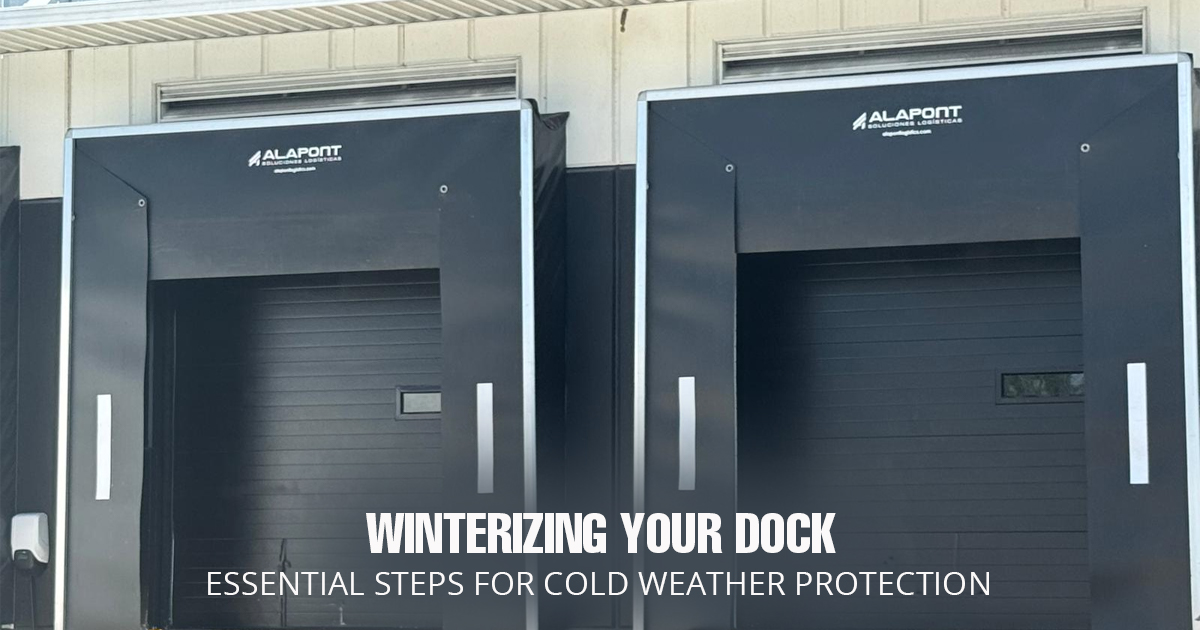
High-quality Loading Dock Installation in Medley by BXC Dock Services ensures doors, levelers, and seals are installed correctly. Proper installation reduces drafts, prevents ice formation, and protects the dock from winter damage. This preparation also simplifies maintenance and ensures reliable operation during cold weather.

Steps to Protect the Dock in Winter

Winterization starts with a thorough inspection of all dock components. Seals should be checked for flexibility, moving parts lubricated, and surfaces cleared of moisture to prevent freezing. Drainage areas need attention to avoid ice buildup that can damage equipment.

By implementing professional solutions, we help businesses protect the dock in winter. Adjusting hydraulics, replacing worn seals, and applying proper lubrication ensure docks remain safe and fully operational even in freezing conditions.

Maintaining Dock Performance

Once winterized, docks require ongoing attention. Regular inspections identify potential issues before they escalate. Seasonal maintenance reduces downtime, prevents costly repairs, and extends the life of equipment.

BXC Dock Services offers reliable Loading Dock services to maintain dock efficiency during the cold season. This includes lubrication, hydraulic adjustments, and component checks to keep docks safe, functional, and ready for daily operations.

Importance of Cold-Weather Preparation

Failure to prepare docks for winter can result in frozen levelers, stuck doors, and cracked seals. Such problems slow operations and often require emergency repairs. By investing in professional winterization, including Loading Dock Installation in Medley, facilities ensure safe, smooth operations throughout the season.

Preparation also helps protect employees, preserve equipment, and maintain energy efficiency. A well-maintained dock can handle winter challenges without disrupting the workflow or creating hazards.

Keep Your Dock Safe This Winter

Ensure your dock operates safely and efficiently during cold months. Contact BXC Dock Services for expert cold-weather dock protection. Professional installation, inspections, and maintenance help warehouses reduce downtime, maintain safety, and keep operations on schedule. Preparing now can prevent costly problems and protect your investment throughout winter.

Frequently Asked Questions

  1. Why is winterizing a dock necessary?
    Cold temperatures can freeze seals, slow hydraulics, and create slippery surfaces. Winterization prevents these issues and keeps operations running smoothly.
  2. When should winterization start?
    Early fall is ideal. Preparing before the first freeze allows time for inspections, repairs, and protective measures.
  3. What services does BXC Dock Services offer for winterization?
    Services include inspections, lubrication, seal replacement, and professional Loading Dock Installation in Medley to ensure proper setup.
  4. How does winterization improve dock safety?
    It reduces slip hazards, ensures smooth operation of doors and ramps, and maintains reliable performance of all dock components.
  5. Can winterization reduce energy costs?
    Yes. Proper seals and insulation prevent heat loss and drafts, lowering heating expenses during the cold season.

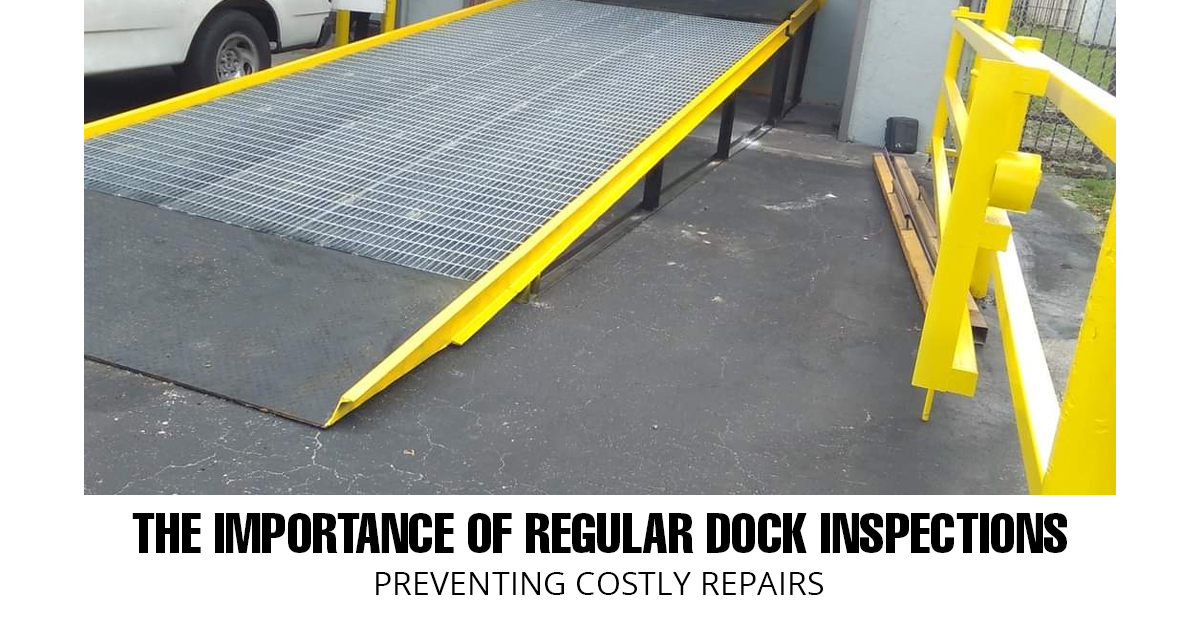
The Importance of Regular Dock Inspections: Preventing Costly Repairs

A busy warehouse or distribution center relies heavily on its loading docks to keep things moving smoothly. Over time, the constant loading and unloading, heavy equipment use, and changing weather can wear down even the best-built docks. When small issues go unnoticed, they can turn into serious and expensive problems. That’s why regular dock inspections are so important. At BXC Dock Services, our goal is to help businesses stay ahead of problems with Professional Loading Dock Services that keep everything running safely and efficiently.

Why Regular Inspections Are So Important

It’s easy to assume a dock is fine as long as it’s working. But problems like a slow lever, a loose spring, or a door that doesn’t close right often start small. Over time, they can turn into major breakdowns that cost a lot to fix. Routine inspections help spot these small issues early.

When professionals inspect your dock, they check every detail, hardware, hinges, seals, and hydraulics, to make sure everything works the way it should. This helps prevent dock damage before it causes delays or safety issues. It also ensures your loading area meets safety standards, protecting both workers and equipment.

Common Dock Problems You Might Not Notice

Loading docks take a beating every day. Hydraulic leaks, broken bumpers, and misaligned doors are common, but they often go unseen until the problem gets worse. Rust, debris buildup, and worn-out parts can make your dock unsafe and inefficient.

That’s why a detailed dock safety inspection checklist is key. During an inspection, technicians look for cracks, loose fittings, leaks, and damaged welds. They also check for proper lubrication and balance to ensure the dock operates smoothly. By catching these problems early, inspections help you avoid unexpected repairs and extend your dock’s lifespan.

Keeping Workers Safe and Operations Smooth

Dock equipment that isn’t working properly can be dangerous. Faulty levelers or restraints can cause accidents and injuries. Regular inspections improve safety by ensuring every component is strong and secure. With our Professional Loading Dock Services, your facility stays safe, compliant, and productive.

We’ve seen how preventive maintenance not only keeps equipment in good condition but also boosts productivity. A smooth-running dock means faster loading, fewer delays, and safer work conditions. When your team knows their equipment is reliable, they can work more confidently and efficiently.

How Regular Inspections Save Money

Skipping maintenance might seem like a quick way to save money, but it often ends up costing more. Small issues turn into big ones, leading to emergency repairs, downtime, and even product damage. Regular dock inspections from BXC Dock Services are a smarter investment.

Our technicians inspect and service your equipment to prevent dock damage before it happens. This proactive approach keeps your dock in great shape and reduces the need for costly repairs later. You’ll save time, avoid disruptions, and keep your business running smoothly all year round.

Maintenance Plans That Fit Your Needs

Every warehouse or facility is different, so every dock needs a maintenance plan that fits its specific use. Some docks operate 24/7 with heavy truck traffic, while others handle smaller loads. We create maintenance schedules that match your operation’s needs and minimize downtime.

Our team keeps parts stocked, performs routine maintenance, and handles quick repairs when needed. This means less waiting, fewer repeat visits, and a longer life for your equipment. With our Loading Dock Repair and inspection programs, you can depend on consistent performance and peace of mind knowing your dock is in expert hands.

Get Reliable Dock Solutions Today

Regular dock inspections are the key to preventing costly breakdowns and keeping operations running efficiently. At BXC Dock Services, we provide complete inspections, repairs, and maintenance services that protect your investment. Whether you need a one-time check or an ongoing plan, our experts can design a service schedule that keeps your docks in peak condition.

Don’t wait for a breakdown to stop your workflow. Contact us today for reliable Professional Loading Dock Services that help you stay one step ahead.

Frequently Asked Questions

  1. How often should docks be inspected?
    Most docks should be inspected twice a year, but high-traffic or heavy-use facilities might need quarterly checks to stay in top condition.
  2. What does a typical inspection include?
    A full inspection follows a detailed dock safety inspection checklist. Technicians check hydraulic systems, hinges, seals, bumpers, and safety devices to ensure everything works correctly.
  3. Can maintenance really prevent costly repairs?
    Yes. Routine service and inspections help catch small issues early, which greatly reduces the risk of big, expensive repairs later.
  4. How do I know if my dock needs attention?
    If you notice slow or uneven lifting, oil leaks, or damage to your bumpers or doors, it’s time to schedule Loading Dock Repair right away.
  5. Why choose Dock Services for maintenance?
    We offer experience, reliability, and care. Our Professional Loading Dock Services focus on safety, performance, and preventing costly breakdowns. Regular inspections help prevent dock damage and keep your facility running efficiently.

Get in Touch with BXC Dock Services Today

Keep your operations safe, efficient, and cost-effective with help from BXC Dock Services. Schedule your regular dock inspection today and let our experts handle everything from preventive maintenance to Loading Dock Repair with precision and professionalism. Your docks deserve the best care. Let us help keep them in top condition.

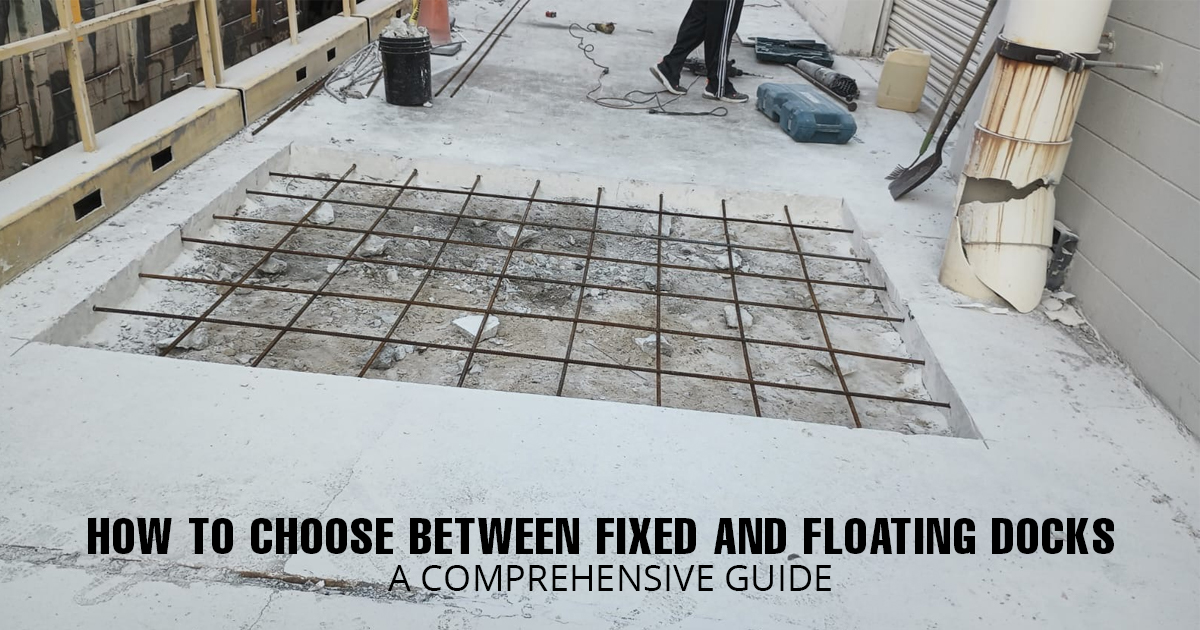
How to Choose Between Fixed and Floating Docks: A Comprehensive Guide

Selecting the right dock for a warehouse or distribution center can be tricky. The wrong choice may slow down operations, cause maintenance headaches, and increase downtime. BXC Dock Services helps facilities pick the right solution based on traffic, space, and operational needs. Understanding the differences between fixed and floating docks ensures smoother loading, safer work conditions, and long-term reliability.

What Are Fixed and Floating Docks?

Fixed docks, sometimes called in-pit docks, include traditional pit dock levelers, vertical storing levelers, and fully built dock pits. These docks form a permanent link between the building floor and trailers. They are often chosen when climate control, cleanliness, and heavy, repeated use are priorities. Fixed docks create a steady, reliable platform for everyday operations and reduce movement issues, keeping loading safe and consistent.

Floating or portable docks, on the other hand, include edge-of-dock (EOD) levelers, portable yard ramps, and other no-pit solutions. These attach to the dock face or sit outside the building. They avoid the need for pit construction, can be installed quickly, and can even be moved between sites. Floating docks work well for facilities that need flexibility or cannot afford long shutdowns.

Key Factors to Consider

Operational Traffic and Cycle Rate

High-volume warehouses with heavy traffic usually benefit from in-pit or heavy hydraulic levelers. These can handle repeated use without wearing out quickly. Facilities with lighter traffic or lower cycle rates may find floating docks more cost-effective. Comparing daily operations and load cycles can help decide whether fixed vs floating docks are the best option.

Climate Control and Cleanliness

Temperature-sensitive warehouses, cold storage, or cleanroom environments require docks that maintain interior conditions. Fixed docks, particularly vertical storing levelers, pair well with inflatable seals and overhead doors. Floating docks can be versatile but may not seal as tightly. Facilities focused on cleanliness or temperature control often prioritize in-pit options with proper sealing.

Site Constraints

Building layout, headroom, and available space play a big role in dock choice. If a pit cannot be built, floating solutions like edge-of-dock levelers or portable ramps are practical. If space allows, in-pit docks provide a flush, permanent interface with the trailer. Evaluating the site carefully ensures the dock fits smoothly into operations without causing future issues.

Installation Disruption and Cost

Building an in-pit dock involves excavation and structural work, which can be time-consuming and expensive. Floating docks and portable ramps require less installation work and can restore loading quickly. Many facilities, including those looking for loading dock Doral solutions, prefer floating options when minimizing downtime is critical.

Maintenance and Longevity

Both fixed and floating docks need regular maintenance to stay reliable. Fixed docks are durable but still require inspections, servicing, and stocked parts. Floating docks benefit from planned service programs, too. Scheduling maintenance reduces unexpected downtime and keeps operations running smoothly.

Choosing the Best Dock

Deciding between fixed and floating docks comes down to balancing durability, flexibility, and operational needs. Fixed docks are best for high-volume, climate-sensitive environments because they provide long-term reliability. Floating docks offer fast deployment, mobility, and lower installation disruption, which makes them suitable for temporary setups or sites with limited pit space. Facilities near water may consider the best dock for lakes and rivers to handle unique site conditions safely.

Why BXC Dock Services

BXC Dock Services offers a wide range of solutions, from mechanical and hydraulic levelers to vertical levelers, edge-of-dock units, and portable ramps. Their experts assess site layout, operational needs, and environmental requirements to recommend the most effective dock. With stocked parts, maintenance programs, and retrofit options, we ensure any dock runs reliably. Facilities in need of Loading Dock Repair or consultation can rely on their tailored, professional approach.

Frequently Asked Questions

  1. How do I decide between a fixed or floating dock?
    Check daily traffic, load weight, space availability, and climate control needs. High-use, temperature-sensitive environments usually benefit from fixed docks, while flexible setups may prefer floating docks.
  2. Can floating docks handle heavy loads?
    Floating docks are suitable for moderate loads and lighter cycles. Very high-cycle operations generally perform better with fixed in-pit docks.
  3. What role does climate control play in dock selection?
    Fixed docks with vertical levelers and proper seals maintain interior conditions better. Floating docks may need additional sealing measures for sensitive environments.
  4. How should docks be maintained?
    Regular inspections, scheduled service, and parts availability are essential for both fixed and floating docks to avoid downtime.
  5. Are portable docks easy to move?
    Yes, floating and portable solutions are designed for mobility and quick deployment, which is ideal for temporary or multi-site operations.

Get Expert Dock Solutions Today

Choosing the right dock ensures safer, more efficient, and reliable warehouse operations. BXC Dock Services provides expertise and tailored solutions for fixed and floating docks. Whether selecting durable in-pit levelers or versatile portable ramps, Dock Services supports installations with maintenance programs, stocked parts, and expert guidance. For professional advice, Loading Dock Repair, or site-specific recommendations, contact us today to explore options and request a personalized quote.

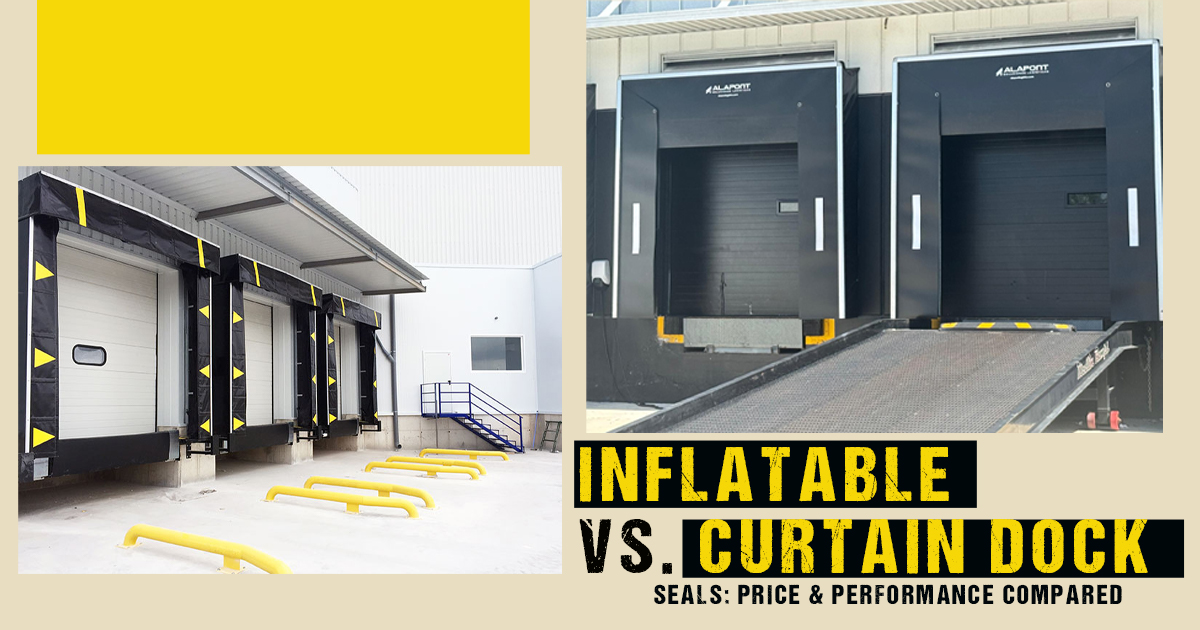
Inflatable vs. Curtain Dock Seals: Price & Performance Compared

Every business with an active loading dock faces challenges. Heat, humidity, dust, and outside contaminants find their way in when trucks load or unload. Energy escapes, products become vulnerable, and efficiency suffers. These issues are especially common in facilities across South Florida, where unpredictable weather and high temperatures add even more strain. That’s why proper Dock Seal Installation is not just an option, it’s a necessity. At BXC Dock Services, we understand these pain points and provide effective solutions to protect your operations.

The Struggles Without the Right Dock Seal

Operating without the right dock seal creates problems that quickly escalate. Hot or humid air enters during transfers, driving up energy use and compromising product safety. Dust and outside fumes creep in, leaving facilities vulnerable to contamination. On top of this, loading docks become less safe for workers when weather conditions interfere.

Many facilities also deal with truck size variations, meaning a one-size-fits-all approach often fails. A seal that doesn’t adapt properly leads to gaps and leaks, defeating its very purpose. Over time, the constant strain of outdoor elements can increase wear on equipment, reduce operational efficiency, and lead to costly downtime. These issues make the decision between inflatable vs curtain dock seals crucial for long-term performance.

Inflatable Dock Seals: A Powerful Solution

One of the most effective solutions we provide at BXC Dock Services is the inflatable dock shelter. These seals inflate around the trailer, forming a tight barrier that keeps outside air and contaminants away. They are particularly effective for facilities where hygiene, energy efficiency, and temperature stability matter most.

Unlike fixed solutions, inflatable dock shelters adjust to different trailer sizes, making them flexible and reliable. They also retract fully when not in use, giving drivers clear backing access to the dock. With their enhanced sealing capabilities, they are especially valuable for businesses handling sensitive cargo or working in demanding conditions. When clients ask us about inflatable dock seals cost, we explain that while they involve a higher investment, they deliver unmatched performance for facilities where airtight protection is critical.

Curtain Dock Seals: A Dependable Alternative

For facilities that don’t require a complete airtight seal but still want protection against outdoor exposure, curtain dock shelters are a strong choice. At BXC Dock Services, we install durable curtain dock shelters designed to handle heavy traffic and constant use. Made with flexible, abrasion-resistant materials, they stand up well against daily wear while shielding the dock area from wind, rain, and fumes.

Curtain dock shelters adapt to different truck sizes and feature designs that prevent leaks during bad weather. Their strength lies in durability and versatility. Many businesses that prioritize cost-efficiency and consistent performance choose this option when weighing inflatable vs curtain dock seals for their operations.

Choosing Between Inflatable and Curtain Dock Seals

Both inflatable and curtain dock seals solve critical challenges, but each is suited for different needs. Inflatable seals are ideal when maximum protection is necessary. Curtain seals, on the other hand, offer dependable coverage at a lower initial investment.

At BXC Dock Services, we don’t believe in one-size-fits-all answers. Instead, we work with you to assess your workflow, facility type, and long-term goals. Our expertise helps you select a solution that minimizes risks, supports efficiency, and keeps your operations moving without disruption.

Meeting the Demands of South Florida Facilities

For businesses operating in South Florida, sealing efficiency is especially important. High temperatures and sudden weather shifts create added pressure on loading docks. That’s why installing our Loading Dock Seal in South Florida is one of the most effective steps you can take to protect your facility. Whether your operations require airtight protection or durable versatility, we provide systems designed to withstand local conditions while improving performance.

Our team understands the challenges businesses face in this region and installs seals that enhance safety, cleanliness, and reliability. With the right installation, your facility becomes better equipped to handle the demands of daily operations, regardless of the weather outside.

Why Partner with BXC Dock Services

At BXC Dock Services, we do more than supply equipment; we deliver tailored solutions that match your operational requirements. From the Standard Inflatable Shelter to the Inflatable Plus model, as well as durable curtain shelters, we provide products designed for long-term use.

Our team ensures precise Dock Seal Installation, guiding you through every step with professionalism. With us, you gain more than equipment; you gain a reliable partner committed to helping your facility run smoothly. Whether you’re upgrading from an outdated system or installing new seals, we’re here to deliver results that strengthen your operations.

FAQs

Q1: What makes inflatable dock seals different from curtain dock seals?
 Inflatable dock seals inflate to create a tight barrier around trailers, while curtain dock seals use heavy-duty curtains to block outside air, rain, and dust without creating an airtight seal.

Q2: Which dock seal is better for temperature-sensitive goods?
 Inflatable dock seals are the better choice for sensitive goods because they deliver stronger sealing performance, protecting cargo from outside conditions.

Q3: Are curtain dock seals durable under heavy use?
 Yes. Curtain dock seals are designed with abrasion-resistant materials and flexible components that handle constant truck traffic without losing effectiveness.

Q4: What factors affect inflatable dock seals’ cost?
 The cost depends on facility size, the type of inflatable model selected, and specific operational requirements. Our team at BXC Dock Services guides you through options to match your needs.

Q5: Can your team handle installation across South Florida?
 Yes, we provide professional installation services for both inflatable and curtain dock seals, ensuring facilities in South Florida receive solutions tailored to their conditions.

Get Started with BXC Dock Services

If your facility is struggling with energy loss, contamination, or operational inefficiency, it’s time to make a change. At BXC Dock Services, we provide expert guidance and reliable products to resolve these challenges. Whether you choose inflatable or curtain models, we ensure smooth installation and long-lasting results.

Don’t let your facility suffer from the gaps and risks of an inadequate dock system. Contact us today to explore your options and get a customized solution. The right choice between inflatable vs curtain dock seals can transform your operations. Let us help you make it.

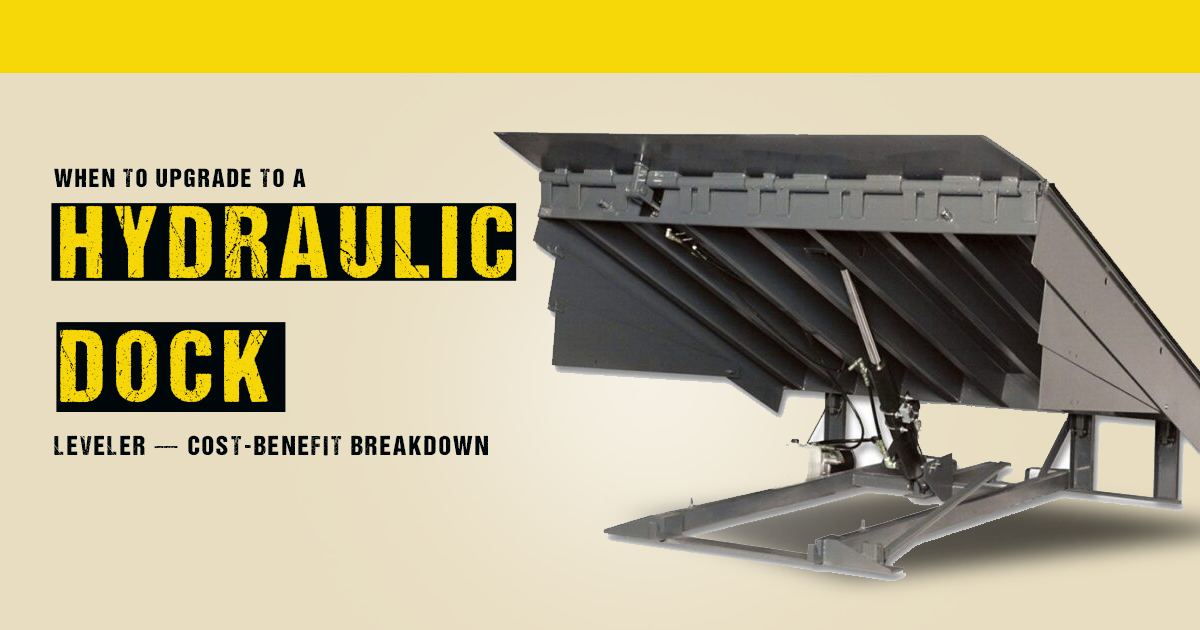
When to Upgrade to a Hydraulic Dock Leveler: Cost-Benefit Breakdown

Loading docks are the heartbeat of any warehouse or distribution center. But when equipment starts showing signs of wear, the entire workflow slows down. From delayed shipments to safety concerns, a malfunctioning dock leveler creates ongoing challenges for businesses. Many managers find themselves scheduling constant dock leveler repair, only to realize the problems keep coming back. The real question becomes, how do you know when it’s time to stop repairing and start upgrading?

The Hidden Costs of Struggling Equipment

Day-to-day operations demand reliability. When a mechanical dock leveler becomes difficult to operate, the problems ripple through the entire supply chain. Workers face physical strain with manual pull chains, trucks spend longer at the dock, and unexpected downtime interrupts schedules. What seems like a minor inconvenience at first often grows into lost efficiency and added maintenance.

Even with ongoing service, the wear on springs, hinges, and chains adds up. Over time, relying solely on patchwork fixes can take a toll on productivity. For many facilities, this is the first sign that it’s time to look at long-term solutions rather than short-term repairs.

Safety Concerns with Aging Dock Levelers

Safety is always a top priority in any loading operation. When dock equipment isn’t working as it should, risks increase for both employees and truck drivers. Unstable platforms, uneven levels, and malfunctioning parts create hazards that no business can afford to ignore.

In high-volume environments, every second counts. Mechanical systems that once seemed reliable may now cause unnecessary delays and risks. At this stage, managers often begin to weigh the choice between another round of service and a complete upgrade. That’s when the value of hydraulic technology becomes clear.

Why Hydraulic Dock Levelers Make a Difference

Hydraulic dock levelers are designed for ease and efficiency. With push-button operation, they eliminate the physical strain that comes with manual systems. More importantly, they handle high volumes of work without constant adjustments. For facilities that depend on fast, reliable turnaround, hydraulics deliver smoother operations and greater consistency.

While mechanical models may still work for some businesses, the convenience and reduced strain of hydraulic systems make them a smart investment for long-term performance. This is especially true in busy regions where quick access to service is critical, such as facilities that depend on dock leveler repair in Miami teams for ongoing maintenance.

Repair vs. Replacement: Finding the Balance

The decision point often comes when repairs become too frequent. Managers start calculating whether repeated service calls are truly cost-effective. That’s where the comparison of dock leveler replacement vs repair comes in.

If equipment is nearing the end of its life, replacement often delivers better value. Upgrading to hydraulic systems reduces downtime, streamlines workflow, and provides reliability without the constant need for adjustments. On the other hand, if the unit is still in relatively good shape, a repair may buy more time. The key is knowing when repairs are no longer solving the bigger problem.

At BXC Dock Services, we help clients evaluate this decision with clarity. Our team understands the demands of busy docks and works closely with facility managers to recommend the best path forward.

The Cost-Benefit Breakdown

Looking at the bigger picture, hydraulic dock levelers offer long-term savings through efficiency, durability, and reduced labor strain. Mechanical models may have a lower initial investment, but frequent servicing and the manual effort required can add up over time.

The benefit of hydraulic upgrades isn’t just about convenience;  it’s about creating a safer, faster, and more reliable dock operation. When employees spend less time wrestling with manual equipment, they can focus on moving freight efficiently. That shift alone contributes to higher productivity and smoother workflows.

How BXC Dock Services Can Help

Upgrading dock equipment is a big decision, and it requires the right partner. At BXC Dock Services, we specialize in guiding businesses through the process. From inspecting current systems to providing expert recommendations, our team ensures each facility gets the best solution for its unique needs.

Whether you’re scheduling routine maintenance, considering an upgrade, or wondering about when to replace the dock leveler equipment, we’re here to help. Our experienced technicians deliver dependable service that keeps your operations moving without unnecessary delays.

FAQs

Q1: What are the main signs that my dock leveler needs to be replaced?
 Frequent breakdowns, safety concerns, and reduced performance are strong indicators that it may be time to consider upgrading.

Q2: Do hydraulic dock levelers require less maintenance?
 Yes, hydraulic models typically need fewer adjustments and less frequent service compared to mechanical systems.

Q3: How do I decide between repair and replacement?
 It depends on the condition of your current unit. If repairs are ongoing and performance remains poor, replacement is often the better option.

Q4: Can BXC Dock Services handle both repairs and installations?
 Absolutely. We provide comprehensive solutions, including service, maintenance, and full hydraulic dock leveler upgrades.

Q5: How quickly can services be scheduled?
 We work closely with each client to ensure timely service that minimizes downtime and keeps dock operations on track.

Upgrade with BXC Dock Services Today

When it comes to dock operations, waiting too long to upgrade can cost more in the long run. Don’t let constant breakdowns slow down your business. At BXC Dock Services, we make it simple to move forward with confidence. Whether you need expert advice, dependable maintenance, or a full upgrade, our team is ready to deliver.

If you’ve been debating when to replace the dock leveler equipment, now is the time to take the next step. Contact us today and discover how a hydraulic dock leveler upgrade can transform your workflow.