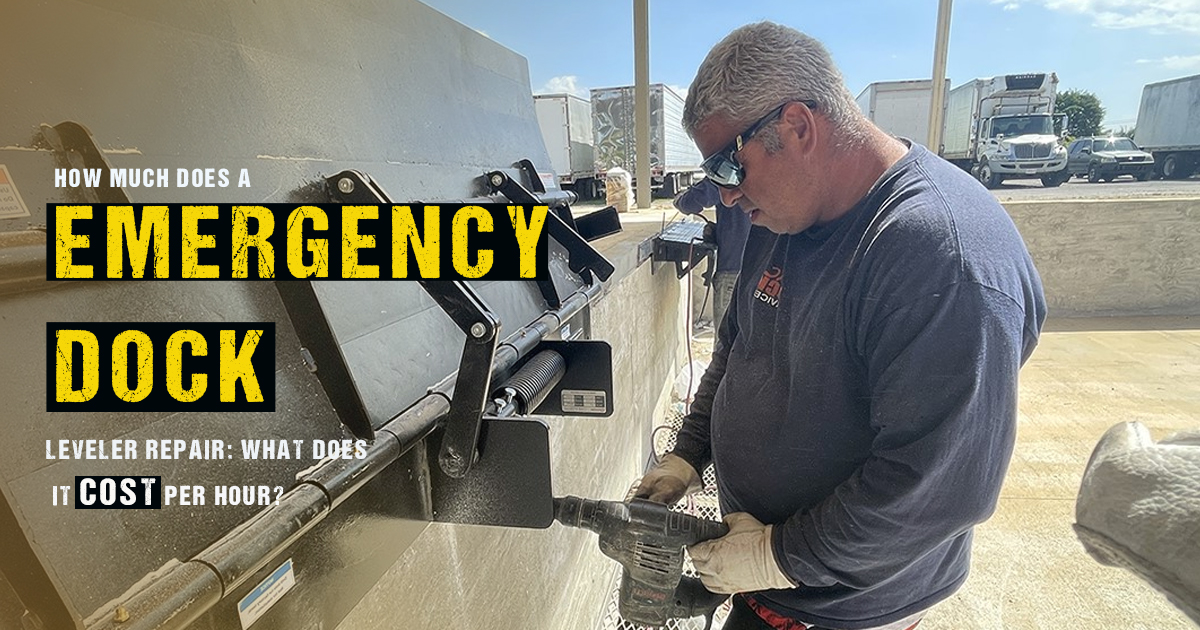
Emergency Dock Leveler Repair: What Does It Cost Per Hour?

When equipment breaks down unexpectedly, the pressure is immediate. Trucks waiting at the dock can’t be loaded, warehouse schedules fall behind, and production takes a serious hit. One of the most common breakdowns that halt operations is a malfunctioning dock leveler. That’s when facility managers start asking, What does emergency dock leveler repair cost per hour? At BXC Dock Services, we know these questions come up in the middle of stressful situations, and our role is to bring both solutions and peace of mind.

The Real Problem with Sudden Dock Failures

A broken dock leveler isn’t just a small inconvenience. It can stop the flow of goods, create safety hazards for employees, and delay transportation schedules. Even worse, in a busy warehouse environment, every minute matters. Delays pile up fast, trucks wait longer, and customers grow frustrated. When this happens, operations feel the full weight of downtime. That’s why understanding and preparing for urgent dock leveler repair is essential for businesses that can’t afford extended interruptions.

Safety Concerns at the Dock

Beyond financial loss, a damaged dock leveler creates serious safety risks. Employees working near the equipment are exposed to unstable platforms or shifting parts that can lead to accidents. This is one of the biggest reasons businesses in South Florida call on us during emergencies. At BXC Dock Services, we prioritize safety from the moment our team arrives. We focus on stabilizing the area, addressing the issue quickly, and restoring the loading dock so operations can continue with confidence.

Why Timing Is Everything

Every facility manager knows that downtime is expensive. When a dock leveler breaks, the speed of the response is just as important as the quality of the repair. That’s why companies across the region rely on our fast dispatch services. With dock leveler repair in Miami, our technicians bring the right tools and expertise to address the problem on-site. The quicker the repair begins, the faster business returns to normal. And that’s exactly what our company is built to provide.

Understanding Hourly Repair Costs

When emergencies strike, many ask about the hourly cost of urgent service. The reality is, costs vary depending on the type of failure, parts required, and timing of the call. Hydraulic issues may need specialized attention, while electrical failures require different expertise. The important factor is choosing a reliable company that explains the situation clearly and works efficiently. That’s why our clients trust BXC Dock Service; we handle urgent calls with transparency, making sure you know what to expect when it comes to emergency dock leveler repair costs.

Preventing Future Emergencies

While no one can fully avoid breakdowns, many emergencies happen because of worn-out components or overlooked maintenance. This is why proactive care matters. Regular inspections and servicing reduce risks, extend equipment life, and help control the long-term cost of dock leveler maintenance. We offer planned maintenance programs designed to spot problems early and keep docks running smoothly. By investing in consistent care, businesses save themselves from the stress and downtime of surprise emergencies.

Why Choose BXC Dock Services

When it comes to urgent repairs, not all service providers are the same. What makes our team different is our focus on reliability, professionalism, and customer care. We don’t just show up; we come prepared to solve the problem as quickly as possible. Our clients across South Florida depend on us for fast response times, high-quality workmanship, and long-term solutions. Whether it’s a sudden breakdown or preventative servicing, BXC Dock Services is committed to keeping your warehouse operations moving without unnecessary delays.

FAQs

Q1: How quickly can BXC Dock Services respond to an emergency call?
 We respond promptly to urgent requests throughout South Florida, ensuring operations are restored as quickly as possible.

Q2: Can your team repair older or customized dock levelers?
 Yes. Our technicians have experience working with a wide range of equipment, including older and specialized systems.

Q3: Do I need to stop all warehouse operations during a repair?
 Not always. In many cases, we can isolate the issue and allow other loading areas to remain in use while repairs are underway.

Q4: How often should I schedule maintenance to avoid emergencies?
 Regularly scheduled maintenance is the best way to prevent unexpected breakdowns. Frequency depends on usage, but consistent care reduces risks significantly.

Q5: Why is professional dock repair better than a quick in-house fix?
 Temporary fixes may seem faster, but they often cause bigger issues later. Professional repairs ensure long-term reliability and protect both your equipment and employees.

Your Emergency, Our Priority

When an unexpected breakdown brings your operations to a halt, the question isn’t just about the cost;  it’s about getting back to business quickly and safely. At BXC Dock Services, we specialize in urgent dock leveler repair, offering the skill and dedication needed to restore confidence at your loading docks.

Don’t let a sudden failure disrupt your entire operation. Call us today and let us handle your emergency with the professionalism and care your business deserves. With us, you’ll always have a trusted partner ready to respond whenever you need dock leveler repair in Miami.
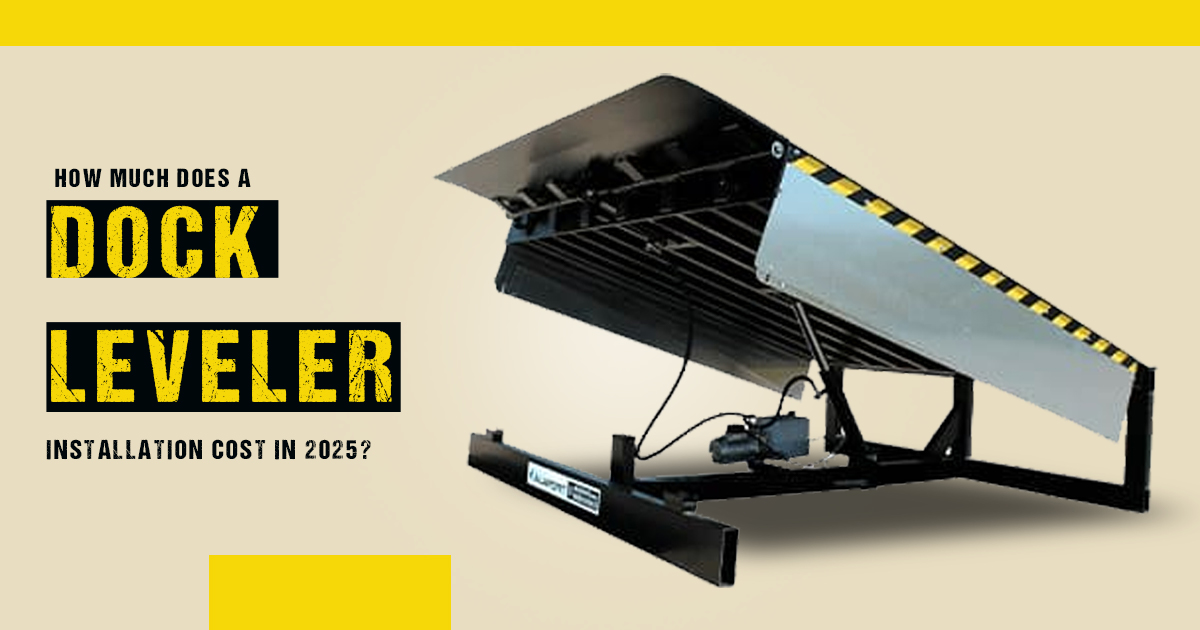
How Much Does a Hydraulic Dock Leveler Installation Cost in 2025?

Loading docks are busy, demanding, and often the most chaotic areas of any warehouse. Without the right equipment, delays pile up, shipments slow down, and safety risks increase. One of the most important investments for any facility is a dock leveler. But when it comes to deciding on the right option, the question many managers ask is simple: What will a hydraulic dock leveler installation cost in 2025?

At BXC Dock Services, we understand the challenges you face and therefore provide professional dock leveler installation services designed to maximize value while reducing long-term headaches.

The Costly Problems of Outdated Dock Equipment

Warehouses that rely on outdated or poorly installed equipment face constant challenges. Workers are forced to deal with uneven dock-to-truck gaps, forklifts strain under poor alignment, and manual equipment often breaks down under pressure. All of this leads to slower operations, safety risks, and unexpected downtime.

These challenges don’t just cost time;  they also add hidden expenses that stack up quickly. When your dock equipment struggles, your entire operation struggles. That’s why the true question isn’t just about numbers, it’s about the cost of inefficiency, injuries, and constant repairs that could be avoided with professional dock leveler installation.

Why Hydraulic Dock Levelers Stand Out

When weighing different systems, hydraulic dock levelers stand apart for their convenience and long-term performance. Unlike mechanical models that require manual effort, hydraulics move automatically with the push of a button. This smooth operation reduces strain on workers, keeps traffic flowing, and ensures trucks are loaded or unloaded faster.

While it’s true that hydraulic systems carry a higher initial investment, their design is built for heavy, frequent use. So when considering hydraulic dock leveler installation cost, it’s important to look beyond the upfront expense and recognize the long-term efficiency and reliability these systems provide.

What Affects the Cost to Install a Hydraulic Dock Leveler?

The cost to install a hydraulic dock leveler is shaped by several factors. Your facility’s layout, the type of trucks you service, the required weight capacity, and the specific system design all influence the overall investment. In 2025, rising material and labor costs have made installation more complex, but professional service ensures the job is done right the first time.

At BXC Dock Services, we don’t just install equipment;  we take time to understand your operation. That means every installation is tailored to your workflow, so you get the maximum value from your dock leveler over time.

The Role of Professional Dock Leveler Installation Services

Even the best equipment won’t deliver results without expert installation. A poorly installed hydraulic dock leveler can lead to performance issues, safety hazards, and premature repairs. That’s why our professional dock leveler installation services are critical for long-term success.

Our team at BXC Dock Services brings knowledge, experience, and precision to every project. We make sure your dock leveler is installed to perform at its best, helping you avoid costly breakdowns and downtime. When done correctly, your hydraulic system becomes a reliable tool that supports your business for years to come.

Long-Term Value vs. Upfront Costs

Many facility managers hesitate when they first hear about the hydraulic dock leveler installation cost. But the real comparison lies between short-term spending and long-term value. Mechanical systems may appear more affordable initially, but their ongoing maintenance, manual effort, and frequent adjustments often outweigh the savings.

Hydraulic dock levelers, when installed correctly, require less operator effort, last longer with routine maintenance, and improve daily operations. Over the long run, this efficiency makes them a smart investment for businesses that value safety and productivity.

Why Choose BXC Dock Services?

We specialize in solutions that make your loading dock safer, smoother, and more reliable. We know the challenges warehouses face every day, and we provide professional dock leveler installation that eliminates unnecessary delays and inefficiencies. Our goal is simple: to help you get the most from your investment by ensuring your dock equipment is installed the right way.

With every project, we bring professionalism, precision, and a commitment to your success. That’s why so many facilities trust us when upgrading to hydraulic dock levelers.

FAQs

Q1: What determines the hydraulic dock leveler installation cost?
 Factors such as system type, dock design, and usage requirements all influence cost. Every facility is different, which is why professional assessment is important.

Q2: How long does a hydraulic dock leveler typically last?
 With proper installation and regular servicing, hydraulic systems are built for long-term reliability and can serve facilities for many years.

Q3: Do hydraulic dock levelers require frequent repairs?
 No. While regular inspections are necessary, hydraulic models often require fewer adjustments compared to mechanical ones.

Q4: Why should I hire BXC Dock Services for installation?
 Our expertise ensures precision, safety, and reliability. We tailor every installation to your facility’s needs to help you get the most out of your dock leveler.

Q5: Is a hydraulic dock leveler worth the investment?
 For many warehouses, the efficiency, safety, and long-term value that hydraulic systems provide make them a smart choice compared to manual or mechanical models.

Upgrade Your Dock with Expert Installation Today

The question of how much a hydraulic dock leveler installation costs in 2025 goes beyond a simple number. It’s about recognizing the value of safety, efficiency, and reliability for your business. With BXC Dock Services, you gain more than equipment;  you gain a trusted partner dedicated to improving your operations.

If you’re ready to take the next step, reach out to us today. Let us handle your professional dock leveler installation and see how the right system can transform your loading dock into a safer and more efficient space.

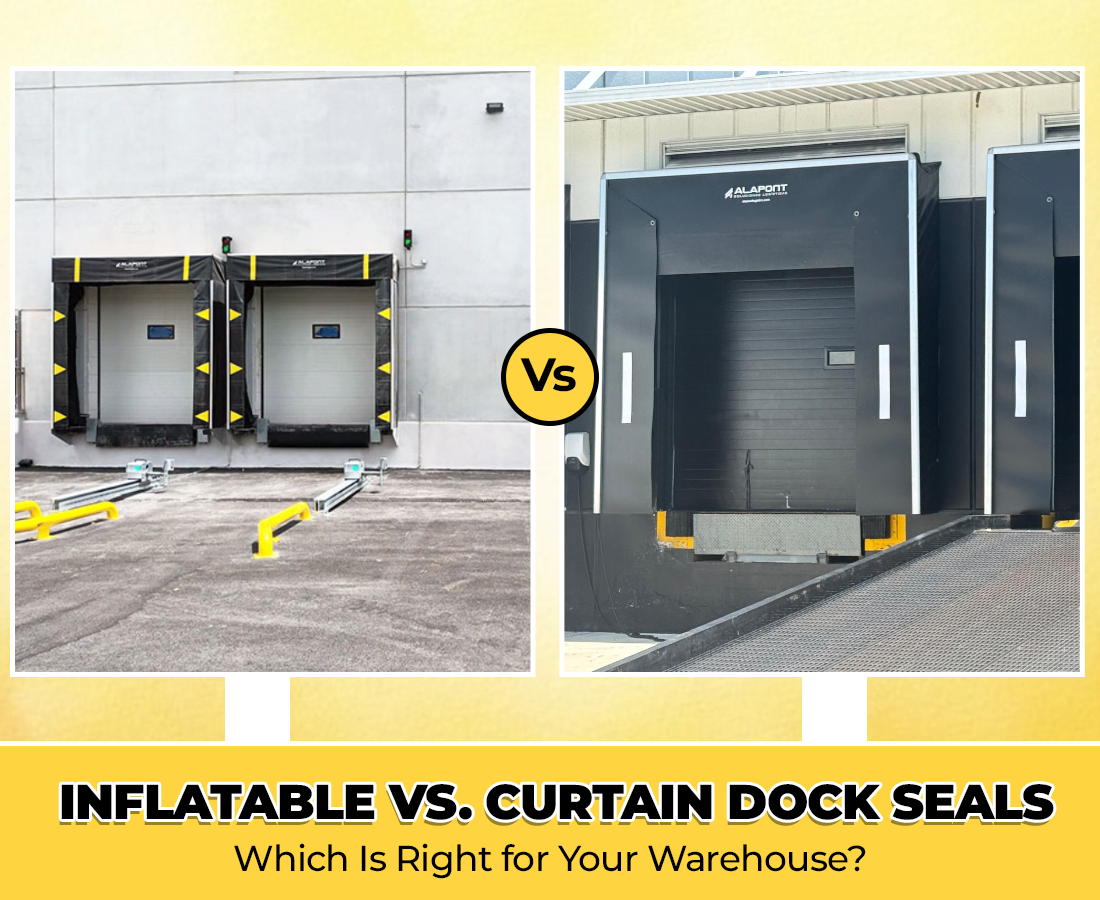
Inflatable vs. Curtain Dock Seals: Which Is Right for Your Warehouse?

Keeping a tight seal between a truck trailer and your dock is more than just a comfort issue—it’s a matter of efficiency, product protection, and safety. Dock seals reduce energy loss, block debris, and help maintain climate control inside your facility. But when it comes to dock seals for warehouses, you’ll often face two main choices: inflatable dock seals and curtain dock seals. Each has its strengths, so understanding the difference can help you make the best call for your operation.

Inflatable Dock Seals: Precision and Adaptability

Inflatable dock seals work by inflating around the back of a trailer to create a customized seal. This makes them ideal for warehouses that handle a wide variety of truck sizes and styles. They adapt to irregular trailer shapes, providing a snug fit that prevents air exchange and keeps pests, dust, and moisture out.

One of their biggest advantages is energy efficiency. Because they conform so well, they minimize heating and cooling loss—something that adds up over a year. They also reduce wear and tear on building HVAC systems by keeping temperatures stable.

On the flip side, inflatable models have moving parts—fans, blowers, or inflation systems—that need regular upkeep. Choosing a professional Dock Seal Installation ensures they are set up correctly and that you have a maintenance plan in place.

Curtain Dock Seals: Simplicity and Durability

Curtain dock seals use flexible fabric panels that hang down to overlap the truck opening. They’re simple, with no inflation system or mechanical components. This makes them a popular choice for high-traffic docks where speed and durability are essential.

Curtains are particularly effective for standard-sized trailers that back in at consistent heights. They’re low-maintenance, with most care focused on checking for fabric wear or tears. Since there’s no blower system, the risk of mechanical failure is minimal.

However, they may not seal as tightly as inflatable systems on non-standard trailer sizes, which can lead to slight energy loss in temperature-controlled environments.

Cost and Maintenance Considerations

When it comes to Loading Dock Seal Miami projects, cost is often a deciding factor. Curtain dock seals usually cost less upfront and have minimal ongoing maintenance expenses. Inflatable dock seals typically have a higher initial investment, but they can save on energy costs over time—especially in climate-controlled warehouses.

Maintenance needs also vary. Inflatable systems require inspections for leaks, blower function, and proper inflation. Curtain seals mostly need fabric checks and occasional replacement of panels. Partnering with a provider like BXC Dock Services ensures you get both expert installation and a maintenance plan that fits your budget and workflow.

Choosing the Right Seal for Your Warehouse

If your warehouse sees a lot of varied truck sizes, inflatable dock seals might be worth the investment for their adaptability and superior sealing performance. On the other hand, if your operation deals mostly with standard trailers and prioritizes durability with low maintenance, curtain dock seals could be the smarter choice.

Either way, professional Dock Seal Installation makes all the difference. A poorly fitted seal can lead to air gaps, water leaks, and premature wear—costing more in repairs than the seal itself. Skilled technicians measure, fit, and install the system to match your specific dock dimensions and traffic patterns.

FAQs

Q1: How long do dock seals typically last?

With regular maintenance, both inflatable and curtain seals can last 7–10 years.

Q2: Can inflatable dock seals handle heavy daily use?

Yes, they are designed for frequent use but require routine inspections to ensure proper function.

Q3: Do curtain dock seals work for refrigerated warehouses?

They can, but inflatable seals may provide better temperature control for cold storage facilities.

Bottom Line

Choosing between inflatable and curtain dock seals comes down to your traffic type, climate control needs, and maintenance capacity. Inflatable seals excel in adaptability and energy efficiency, while curtain seals shine in durability and simplicity. For expert advice, precision Dock Seal Installation, and ongoing support, BXC Dock Services is your go-to partner for all dock seals for warehouses. Call today for a free estimate and take advantage of our 10% discount for new customers.

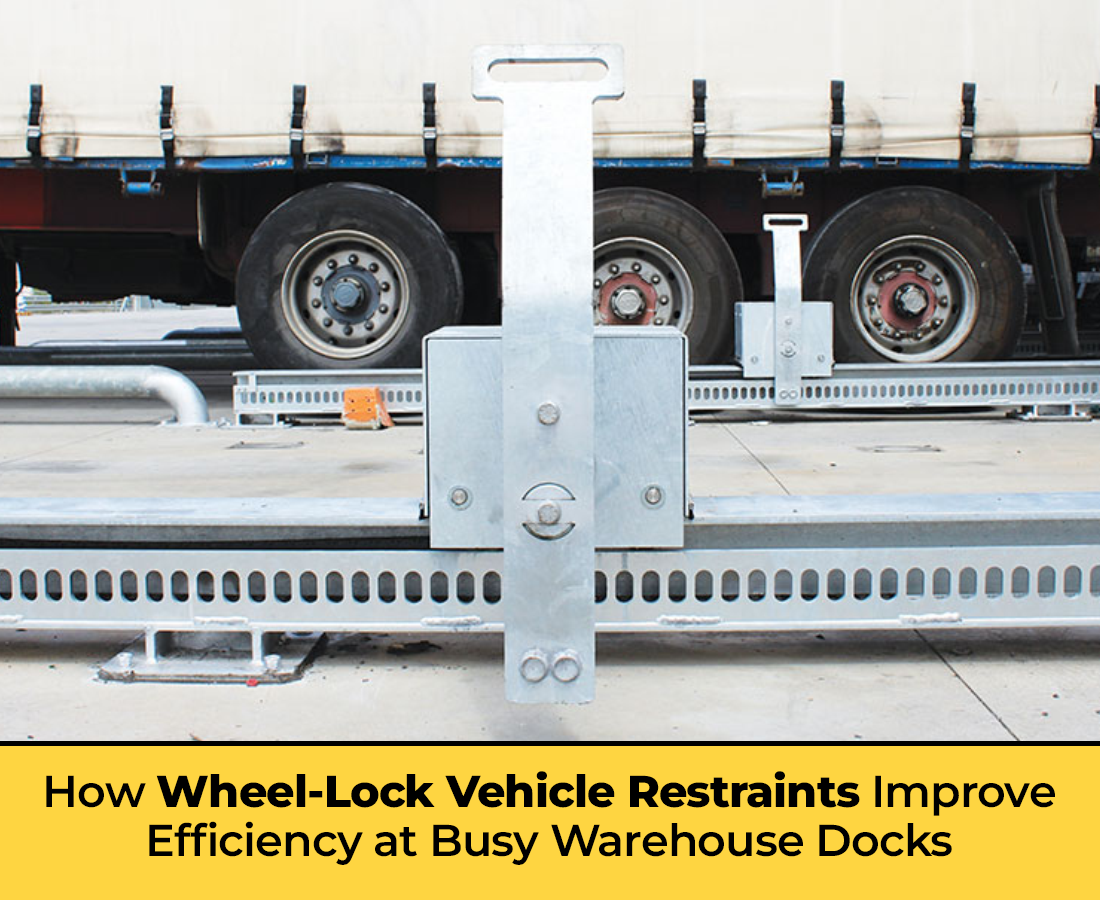
How Wheel-Lock Vehicle Restraints Improve Efficiency at Busy Warehouse Docks

At busy warehouse docks, speed and safety go hand in hand. The more efficiently trucks can load and unload, the smoother the entire supply chain runs. One simple yet powerful upgrade many facilities are making is adding wheel-lock vehicle restraints to their loading dock setup. These systems secure a truck’s wheels in place during loading, reducing the risk of accidents and keeping operations moving without unnecessary delays.

Why Wheel-Lock Vehicle Restraints Are a Game-Changer

Traditionally, many facilities have used wheel chocks—wedged blocks placed against the tires—to prevent trailer movement. While effective, they rely on manual placement and can sometimes be overlooked in the rush of a busy shift.

The difference between a wheel chock vs wheel lock is automation and reliability. Wheel-lock restraints are built into the dock approach and automatically secure a truck’s wheels as it backs into position. This means less reliance on manual checks and a much lower chance of human error. For a facility aiming to improve turnaround time, that’s a big win.

Safety That Speeds Up the Workflow

One of the hidden slowdowns at a busy dock is the extra caution workers must take when equipment isn’t fully secure. If a truck moves even slightly during loading, it can cause delays, damage, or worse—injuries.

By using wheel-lock vehicle restraints, you eliminate that uncertainty. Forklift drivers can work at a steady pace without worrying about trailer creep or unexpected movement. This not only improves safety but also keeps the loading process consistent and efficient.

Reducing Downtime with Reliable Equipment

Any warehouse manager knows that downtime costs money. Whether it’s a repair issue or a safety incident, every minute counts. By integrating wheel-lock systems as part of your Warehouse loading dock service, you’re proactively preventing accidents that could halt operations.

They also require less day-to-day oversight compared to manual chocks. While regular inspections are still important, these systems are built for heavy-duty use in high-traffic facilities. This means less interruption and fewer repairs to keep things running smoothly.

Cost Benefits Beyond Safety

Upgrading to wheel-lock vehicle restraints isn’t just about reducing risk—it’s also about saving money in the long run. Fewer accidents mean lower insurance claims and less product damage. Faster turnaround times can help you move more freight without adding labor hours.

When you compare the investment in wheel locks to the potential costs of warehouse dock repair after an accident, the upgrade often pays for itself quickly. And with professional installation from a trusted provider, you can expect the system to last for years with minimal upkeep.

The Role of Professional Service and Installation

Installing wheel-lock vehicle restraints is not a DIY job. It’s best handled by professionals who understand both the mechanical and operational aspects of warehouse docks. A skilled Warehouse loading dock service provider like BXC Dock Services ensures the system is properly aligned, securely anchored, and integrated with your existing equipment.

Regular inspections and adjustments also keep the restraints working as intended. This is where planned maintenance comes in—catching small issues early before they affect performance or safety.

FAQs

Q1: Are wheel-lock restraints better than wheel chocks?

Yes, they provide automated, consistent securing of trucks and reduce the risk of human error.

Q2: Can wheel-lock systems handle different trailer sizes?

Most models are adjustable to fit a variety of trailer wheel diameters and positions.

Q3: How often should wheel-lock restraints be serviced?

Twice a year is recommended to ensure peak performance and safety.

Bottom Line

Wheel-lock vehicle restraints are one of the smartest upgrades for high-traffic docks. They make work safer, faster, and more efficient—while helping avoid costly downtime and repairs. Whether you’re looking for installation, maintenance, or warehouse dock repair, BXC Dock Services has the expertise and inventory to keep your dock operations at peak performance. Call today for a free estimate and take advantage of our 10% new customer discount.

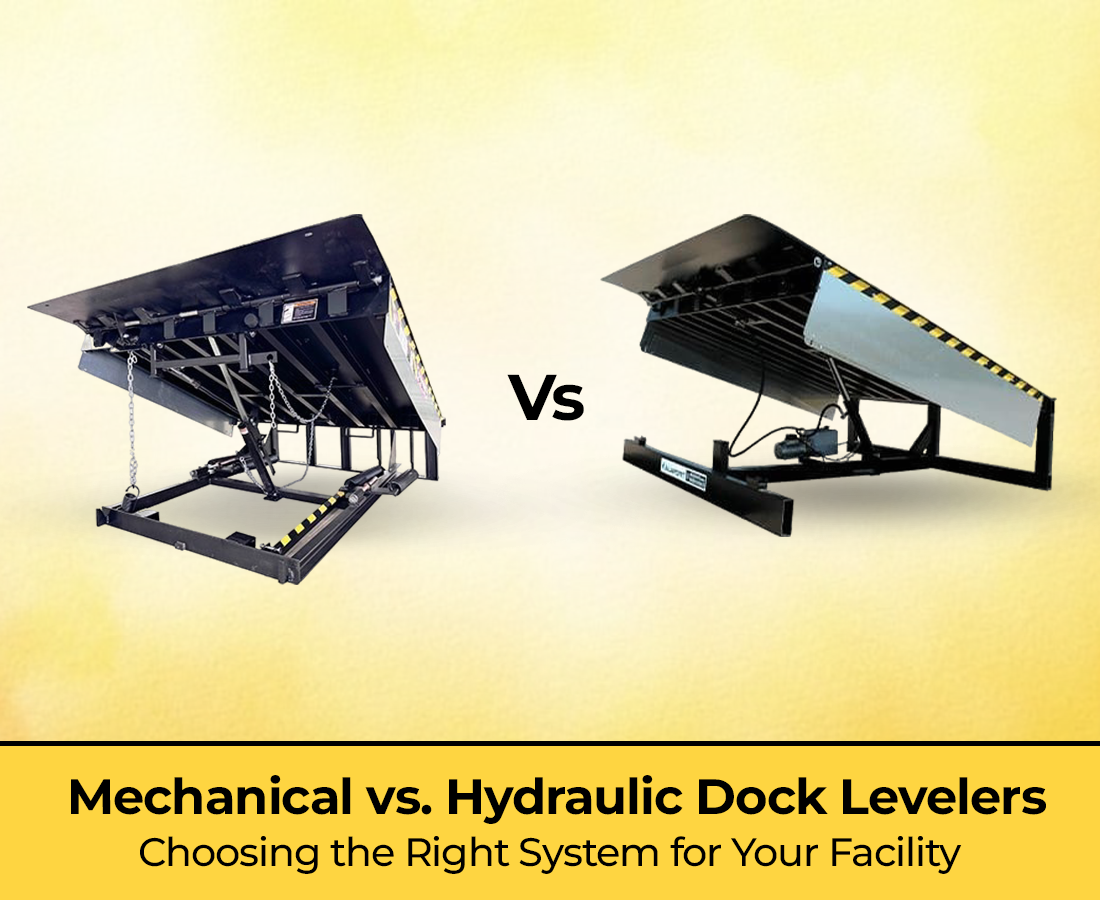
Mechanical vs. Hydraulic Dock Levelers: Choosing the Right System for Your Facility

Loading docks are the workhorses of any warehouse or distribution center. The right dock leveler can make a huge difference in safety, efficiency, and long-term costs. If you’re weighing a mechanical vs hydraulic dock leveler, the choice often comes down to how you operate, your budget, and your maintenance preferences.

Understanding Mechanical Dock Levelers

Mechanical dock levelers operate using a pull chain and a system of springs, levers, and hinges. No electricity is needed, which means they work even during power outages. This manual setup has fewer components that can fail, making maintenance simpler and often cheaper.

They’re also budget-friendly. When comparing a dock leveler cost comparison, mechanical models tend to have a lower upfront price. Many businesses appreciate that repairs are straightforward—most issues can be resolved with a basic dock leveler repair service.

However, they require more physical effort to operate and regular adjustment to keep the springs in good condition. Over time, that can mean slightly more wear on moving parts.

Understanding Hydraulic Dock Levelers

Hydraulic dock levelers run on a motor-driven pump and hydraulic cylinders. With the push of a button, the platform lifts and lowers automatically. This smooth operation saves time and reduces strain on employees.

Hydraulic models generally last longer without needing major adjustments. They’re also better suited for heavy, frequent use, as they can handle high capacities and continuous operation with minimal effort.

That said, hydraulic systems come with a higher upfront price. Repairs may also be more specialized, which can raise service costs. Still, many facility managers find the convenience and reduced operator strain worth the investment.

Comparing Cost and Maintenance

If budget is the top concern, mechanical models often win the dock leveler cost comparison. They’re less expensive to buy and don’t require electrical components. On the other hand, hydraulic systems can reduce downtime and labor costs over the years because they operate faster and with less effort.

Maintenance is another deciding factor. Mechanical systems need periodic spring tension checks and lubrication. Hydraulic systems need fluid checks, hose inspections, and occasional motor servicing. While hydraulic repairs may be pricier, they tend to be less frequent with proper care.

No matter which you choose, regular service from an experienced team—like BXC Dock Services—is the best way to extend the life of your equipment. Routine dock leveler repair prevents small problems from turning into big, expensive breakdowns.

Choosing the Right System for Your Facility

Your decision between a mechanical vs hydraulic dock leveler should be based on your workflow, budget, and available infrastructure. If your facility handles moderate truck traffic, operates in a budget-conscious environment, or needs a system that works without electricity, mechanical could be your best bet.

If you’re running a high-volume warehouse, need rapid turnaround, or want to minimize manual effort, hydraulic may be worth the higher upfront cost.

Installation is also a factor. A professional dock leveler installation ensures your unit is set up for maximum safety and performance. An experienced installer will evaluate your dock height, truck types, and usage to match you with the best model.

FAQs

Q1: How long does a dock leveler last?

With regular maintenance, mechanical models can last 15–20 years, while hydraulic units may last even longer.

Q2: Can a mechanical dock leveler handle heavy forklifts?

Yes, most models are built to support high weight capacities, including loaded forklifts.

Q3: How often should I schedule a dock leveler repair?

It’s best to have inspections twice a year, even if no issues are visible.

Final Takeaway

Both mechanical and hydraulic dock levelers have their strengths. Mechanical models are affordable, durable, and independent of electricity. Hydraulic models offer speed, ease of use, and lower operator strain. Whether you’re buying new equipment or planning a dock leveler repair, BXC Dock Services can help you make the right choice and keep your dock running smoothly for years. Call today for a free estimate and ask about our 10% discount for new customers.

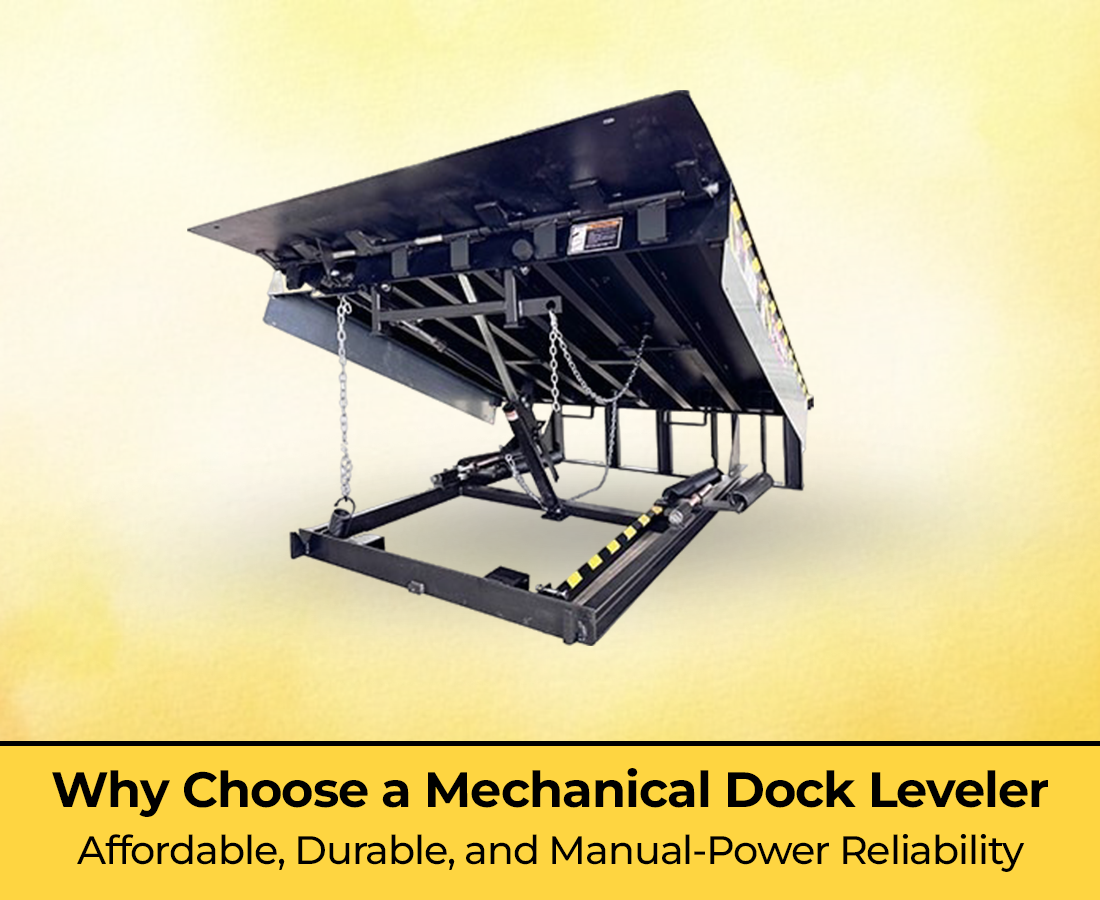
Why Choose a Mechanical Dock Leveler: Affordable, Durable, and Manual-Power Reliability

A smooth loading and unloading process can make or break warehouse efficiency. For many Miami businesses, mechanical dock levelers offer the perfect balance between cost-effectiveness and dependable performance. These manual-powered workhorses have been around for decades, and for good reason—they’re tough, reliable, and don’t rely on complicated electrical systems.

The Appeal of Mechanical Dock Levelers

Unlike hydraulic models that run on motors and pumps, a mechanical dock leveler uses springs, levers, and a pull chain to operate. This straightforward design means fewer parts to fail, making it easier and cheaper to maintain over the long haul. For businesses that want peace of mind without a big price tag, this option checks all the boxes.

Mechanical loading dock equipment is also great for facilities that can’t afford downtime from electrical issues. If there’s a power outage, you can still keep trucks moving. That’s a big plus for high-volume operations that run on tight schedules.

Affordability Without Sacrificing Quality

For companies looking at Loading Dock levelers in Miami, budget often plays a huge role in decision-making. Mechanical models generally cost less upfront than hydraulic systems. On top of that, they have lower long-term maintenance costs.

Parts are simple, readily available, and don’t require specialized electronics to replace. In many cases, a trained technician can perform a dock leveler repair in Miami quickly—often without waiting for hard-to-find components.

Built to Withstand the Daily Grind

Warehouses and distribution centers need equipment that can handle heavy use, and mechanical dock levelers deliver. Their steel construction and rugged components are designed for years of service. Many units can support significant weight capacities, easily accommodating loaded pallets and heavy forklifts.

With proper upkeep, these levelers can serve reliably for decades. That durability makes them a smart long-term investment, especially for small to mid-size businesses that need value as much as performance.

Easy to Operate, Easy to Maintain

Another reason mechanical loading dock equipment remains popular is its ease of use. The pull-chain activation is straightforward and doesn’t require advanced training. Plus, there’s no risk of a blown fuse or electrical short delaying operations.

Maintenance is also simpler. Greasing the hinges, checking spring tension, and inspecting safety features can be done as part of a routine service plan. Partnering with experts like BXC Dock Services ensures your dock stays in peak condition while preventing costly downtime.

Safety Benefits You Can Count On

A safe work environment is non-negotiable, and mechanical dock levelers have several built-in safety advantages. Most models feature hold-down mechanisms to keep the platform stable under load. They also have lip extensions that bridge the gap between dock and trailer securely, reducing the risk of accidents.

Regular inspections from a skilled technician help maintain these safety features. This is why many companies in Miami schedule planned maintenance with a trusted provider rather than waiting for something to break.

Why Local Expertise Matters

Not all Loading Dock levelers Miami suppliers are created equal. Choosing a local company like BXC Dock Services means you’re working with technicians who understand the specific demands of South Florida’s climate and logistics industry.

From salt air corrosion concerns near the coast to the heavy usage of busy urban warehouses, local experience matters. Plus, you get the benefit of faster response times and stocked parts right in your area.

FAQs

Q1: How long does a mechanical dock leveler last?

With proper maintenance, many mechanical models can last 20 years or more.

Q2: Can a mechanical dock leveler handle heavy forklifts?

Yes. Most are built to handle substantial weight capacities, including fully loaded forklifts.

Q3: How often should I service my dock leveler?

Twice a year is recommended for optimal safety and performance.

Bottom Line

Mechanical dock levelers remain a smart choice for businesses that value affordability, durability, and dependable manual-power operation. Whether you need a brand-new installation or dock leveler repair in Miami, BXC Dock Services has the expertise, inventory, and commitment to keep your operations running smoothly. Call today for a free estimate and ask about our new customer discount.

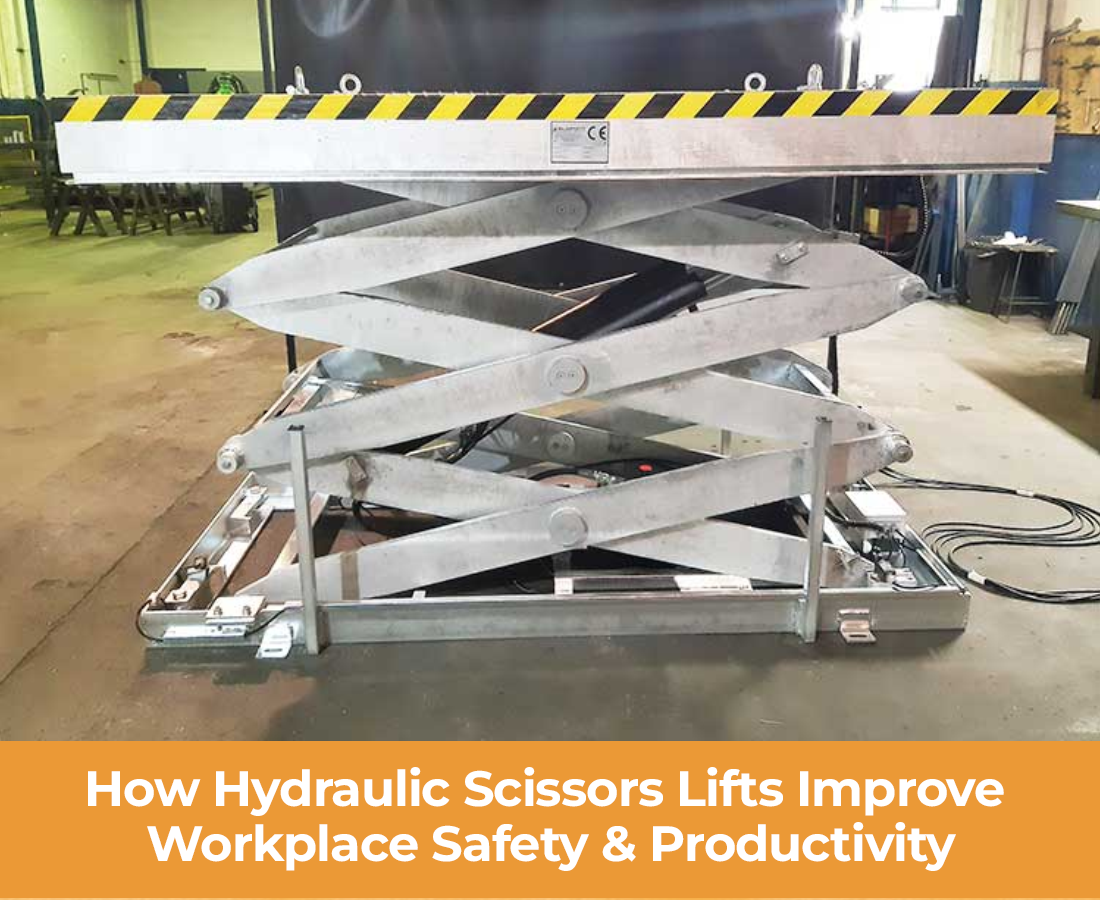
How Hydraulic Scissors Lifts Improve Workplace Safety & Productivity

Lifting heavy materials manually or using outdated equipment isn’t just inefficient—it’s dangerous. That’s why more warehouses are turning to hydraulic scissors lifts as part of their daily operations. These lifts don’t just move products—they help protect your workers and speed up your workflow.

Let’s break down why a hydraulic lift for loading docks is more than just a tool—it’s a smart move for safety and productivity.

What Exactly Is a Hydraulic Scissors Lift?

A hydraulic scissors lift is a powered platform that moves up and down using linked, folding supports in a crisscross pattern—aka, the scissor mechanism. It’s commonly used in warehouses, loading docks, and manufacturing plants to raise pallets, equipment, or even people to various heights.

These lifts are workhorses. They offer strong load capacity, smooth elevation, and precise positioning—all essential for busy dock operations.

  1. Boosting Safety on the Job

One of the biggest hydraulic scissors lift benefits is accident prevention. Back injuries, dropped loads, and awkward lifting are all too common in material handling jobs. A scissor lift lets workers load and unload items at an ideal height, reducing strain on their backs and knees.

In short, it helps you protect your most important asset—your team.

Plus: Scissor lifts eliminate the need for ladders or makeshift lifting setups, which are major causes of workplace accidents.

  1. Improving Productivity Without Cutting Corners

Tired of wasting time adjusting to different trailer heights or moving materials by hand? Hydraulic lifts make loading and unloading a whole lot faster. You can bring items up to the right level with the press of a button.

Fewer delays. Fewer injuries. Faster operations.

When properly maintained, these lifts work smoothly all day long. That’s where Loading Dock lifts repair comes in—keeping things running without breakdowns or drama.

  1. Perfect Fit for Loading Dock Environments

In dock areas, flexibility is key. Not every truck is the same height. Not every load is the same size. A hydraulic lift for loading docks bridges the gap, helping you maintain a level transfer surface regardless of what rolls in.

They’re also compact, which saves valuable floor space. Many models even come with safety features like guardrails and anti-slip platforms.

Pair that with planned maintenance services, and your dock stays in top shape—without the stress.

  1. Supporting Material Handling Safety Solutions

Warehouse managers are constantly looking for ways to reduce injuries and meet OSHA standards. Scissors lifts check a lot of boxes in that department.

  • Controlled elevation: Reduces sudden drops and mechanical shocks.
  • Stability: Designed to hold steady, even with heavy or uneven loads.
  • Accessibility: Makes reaching high storage areas or truck beds easier and safer.

Combined with Loading Dock lifts repair services, these features help create an all-around safer work environment.

  1. Maintenance Makes All the Difference

Even the best equipment needs a little TLC. Hydraulic lifts deal with pressure, weight, and constant motion. Over time, parts wear out or get misaligned.

That’s where BXC Dock Services steps in. Our licensed pros handle Loading Dock lifts repair fast and right the first time. We use original manufacturer parts and carry a full inventory—so most fixes are done on the first visit.

And if your lift’s seen better days? We also offer retrofit kits and custom hydraulic solutions to bring it back to life.

Frequently Asked Questions

Q1: How often should I service my hydraulic scissor lift?

Every 3–6 months is recommended, depending on usage frequency and load weight.

Q2: What are the signs my lift needs repair?

If it’s moving slowly, making strange noises, or not leveling correctly—it’s time to call in a pro.

Q3: Can BXC repair any brand of hydraulic lifts?

Yes, we service most major brands and carry parts for common makes and models.

Let’s Keep Your Lift, and Your Team, Running Strong

Hydraulic lifts are one of the best material handling safety solutions you can invest in. But they only work as hard as you maintain them. Trust BXC Dock Services to keep your equipment running safely and smoothly with expert Loading Dock lifts repair and routine care.

Call (786) 554-8077 now for a free estimate, and ask about our 10% discount for new customers. Better lifts. Safer docks. Faster operations. Let’s make it happen.

Dock Seals vs. Dock Shelters: Which Is Right for Your Climate Control?

If your warehouse feels like it’s leaking money through the loading dock, you’re not imagining things. A poorly sealed dock area can mess with internal temperatures, strain HVAC systems, and let pests and moisture sneak in. That’s where dock seals and dock shelters come into play. These two options serve the same goal—protecting your building during truck loading—but they go about it differently.

Let’s unpack the key differences, so you can figure out which one makes the most sense for your facility, especially if climate control and warehouse energy efficiency are top priorities.

What’s the Difference Between Dock Seals and Dock Shelters?

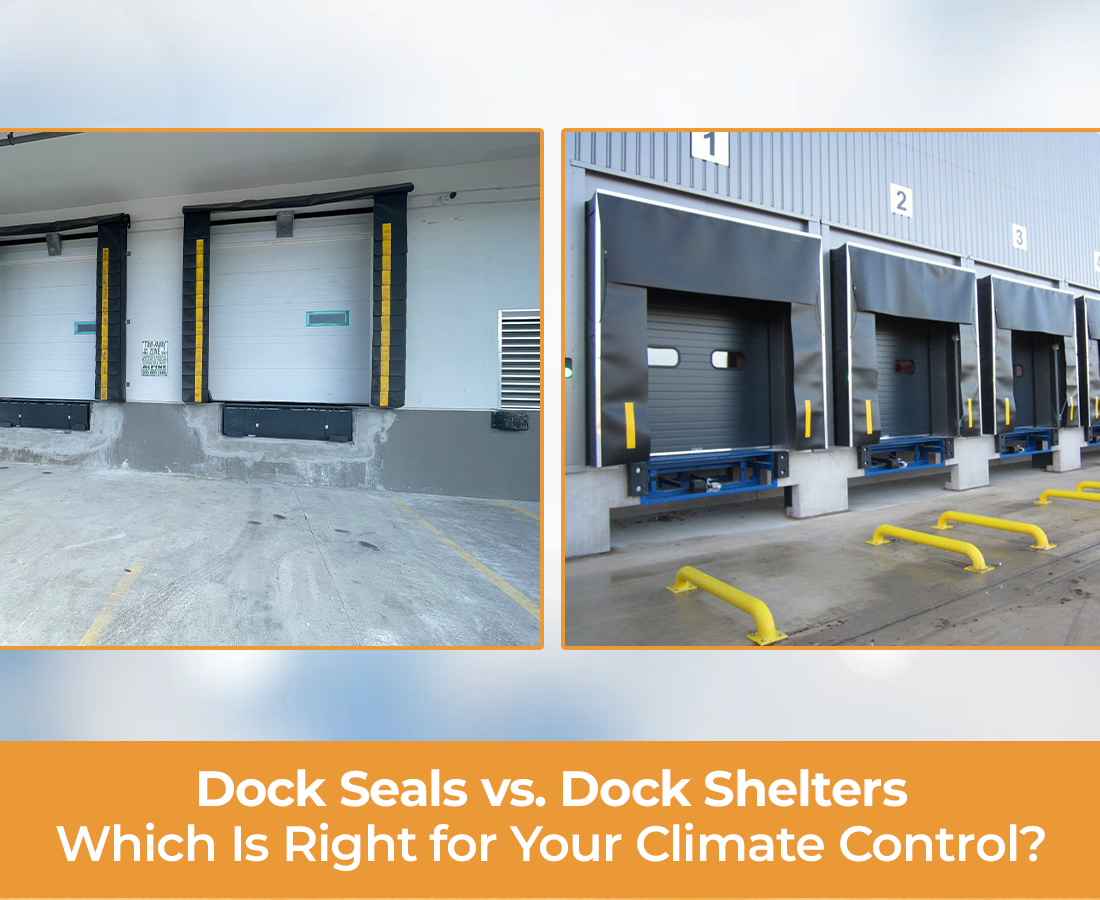
Dock seals are foam-filled pads mounted around the dock door. When a trailer backs into the dock, it compresses the pads, forming a tight seal around the back of the truck. This setup blocks airflow, rain, and outside contaminants.

Dock shelters, on the other hand, are more like flexible enclosures. They use curtains or flaps that press against the sides and top of a trailer, creating a broader coverage area. Shelters don’t rely on compression, which makes them better for varying truck sizes.

Understanding dock seals vs. dock shelters is important because your choice can impact how well you control temperature, humidity, and even air quality inside your warehouse.

  1. Climate Conditions Matter

In South Florida, where the heat and humidity can be relentless, climate control isn’t just a comfort issue—it’s about protecting products, equipment, and people.

  • Dock seals are best for facilities where most trailers are roughly the same size and alignment is consistent. They create a tight seal that keeps hot, humid air outside.
  • Dock shelters work better for a mix of trailer sizes. They allow for a wider range of vehicle heights and widths, which is ideal if your operation sees a lot of different carriers.

If your facility mainly handles refrigerated goods or sensitive inventory, dock seal installation may offer tighter insulation. But if you’re dealing with high-volume traffic and vehicle variety, dock shelter installation provides more flexibility.

  1. Impact on Warehouse Energy Efficiency

Air leakage during loading and unloading is one of the biggest drains on warehouse energy efficiency. HVAC systems have to work harder to keep temperatures stable. That means higher utility bills—and unnecessary wear on expensive equipment.

Both dock seals and shelters help reduce energy loss, but they perform differently depending on the application. Seals provide better insulation, while shelters reduce exposure but don’t completely “seal” the area.

Want to save the most on energy costs? Go with the system that matches your workflow, then schedule routine maintenance to keep everything working properly.

  1. Durability and Maintenance

Seals often wear down quicker because they compress every time a truck docks. Constant friction and misalignment can cause tearing or flattening over time. Shelters, thanks to their flexible design, usually last longer—but they can suffer from wind damage or wear on the curtain edges.

No matter which option you choose, BXC Dock Services provides full maintenance and repair. We also offer dock seal installation and dock shelter installation using high-quality materials made for tough conditions.

  1. Cost Considerations

  • Dock seals are generally less expensive to install but may need more frequent replacement depending on traffic volume and wear.
  • Dock shelters have a higher upfront cost but tend to last longer in high-traffic or mixed-trailer environments.

We’ll walk you through both options and help you figure out which one delivers the most value over time.

Frequently Asked Questions

Q1: Can I use both dock seals and dock shelters together?

Yes, some facilities use a hybrid system for extra protection and versatility.

Q2: How long does dock seal installation take?

Most installations are completed within one business day, depending on the setup.

Q3: Do dock seals and shelters come in standard sizes?

They’re available in standard sizes, but custom fits are often recommended for maximum efficiency.

Let’s Get Your Dock Sealed Right

Still on the fence about dock seals vs. dock shelters? Don’t sweat it. The experts at BXC Dock Services will assess your loading dock, look at your daily workflow, and help you choose the best setup for your building and budget. Whether you need a brand-new dock seal installation, replacement parts, or weatherproofing upgrades, we’ve got it covered.

Call (786) 554-8077 today for a free estimate and ask about our 10% discount for new customers. Better seals mean better savings—and a whole lot fewer headaches.

5 Key Reasons Loading Dock Equipment Fails and How to Prevent It

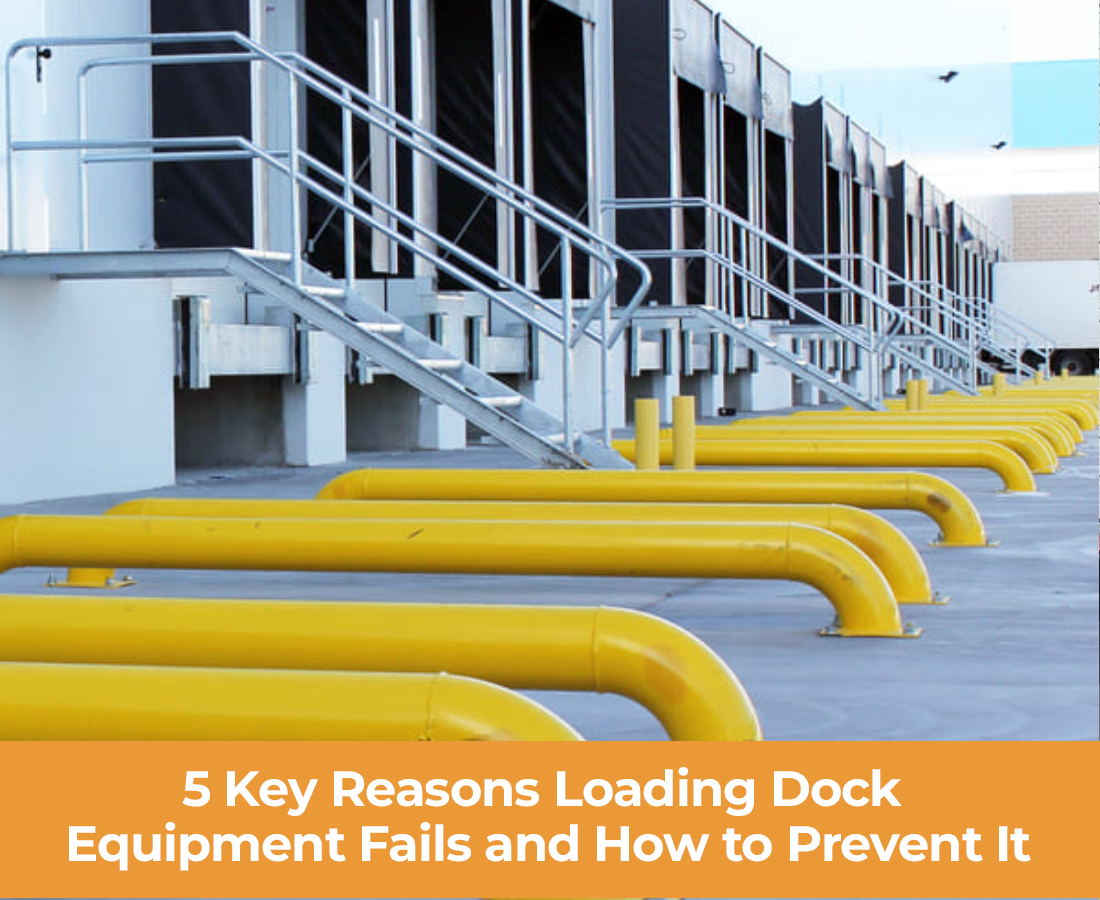
Loading docks are the lifeline of any warehouse. But even the best equipment doesn’t last forever. Over time, wear and tear, poor upkeep, or skipped inspections can turn a functioning dock into a safety hazard or a logistical nightmare. If you’ve ever dealt with sudden breakdowns or slow-moving dock levelers, you already know how much they can cost in both time and money.

So let’s break it down—here are five common dock equipment issues and smart ways to keep them from wrecking your workflow.

  1. Lack of Regular Maintenance

Hands down, the biggest reason dock equipment breaks is neglect. Docks and levelers are used daily, yet many facilities skip regular checkups. Without dock equipment maintenance, small issues get worse fast—think rusted hinges, loose springs, or faulty hydraulics.

Prevention Tip: Sign up for a Planned Maintenance Service with a reputable provider like BXC Dock Services. We inspect, tune up, and replace worn parts before they become emergencies.

  1. Improper Usage by Workers

It sounds simple, but it’s often overlooked—if your team isn’t trained on how to use the equipment correctly, accidents and failures are inevitable. Misalignment, overloading, or slamming dock plates can all damage sensitive components.

Prevention Tip: Hold short refresher trainings every few months. Go over load limits, proper dock plate handling, and what to do when a part looks off. Your gear—and your team—will thank you.

  1. Old or Outdated Equipment

Old dock levelers and seals don’t just slow things down—they’re more likely to fail during peak operations. As parts wear out and manufacturers stop making replacements, repairs become tougher and more expensive.

Prevention Tip: If your dock gear is more than 10–15 years old, it might be time to consider a retrofit or replacement. BXC Dock Services offers modern solutions that upgrade performance without a full rebuild.

  1. Weather Damage

In South Florida, humidity, salt air, and sudden storms are part of the deal. Moisture can corrode metal parts, short out control boxes, and weaken seals—especially if equipment isn’t stored or sealed properly.

Prevention Tip: Apply weather-resistant coatings to exposed metal. Install dock shelters or seals to reduce moisture intrusion. And get your gear checked after major storms to catch water damage early.

  1. Delaying Minor Repairs

That squeaky hinge or flickering signal light may not seem like a big deal—until it is. Waiting too long to address minor issues often leads to full-blown breakdowns that require emergency service or expensive parts.

Prevention Tip: Address issues quickly. A trusted Loading Dock equipment repair service can resolve most problems before they turn into costly downtime.

Why Prevention Pays Off

Staying ahead of failures doesn’t just reduce repair bills. It improves loading speed, boosts worker safety, and keeps your logistics running smoothly. At BXC Dock Services, we specialize in loading dock equipment South Florida businesses count on. Our team shows up ready with the parts and tools needed to fix most problems on the spot.

Plus, we don’t just patch things up—we find the cause and fix it right the first time.

Frequently Asked Questions

Q1: How often should dock equipment be inspected?

Every 3 to 6 months is ideal, depending on how heavily the equipment is used.

Q2: What’s included in a professional dock maintenance service?

We check springs, welds, hydraulics, hinges, and control panels, then clean, grease, or replace parts as needed.

Q3: Can I get a same-day repair if my dock breaks down suddenly?

Yes, BXC Dock Services offers emergency repairs and stocks parts for quick service across South Florida.

Call the Pros Before It Breaks

If your warehouse relies on safe, reliable dock equipment—and whose doesn’t—it’s time to take care of it. From dock equipment maintenance to emergency fixes, BXC Dock Services provides dependable loading dock equipment repair service that keeps your operation humming.

Need help now? Call us at (786) 554-8077 for a free estimate, and don’t forget to ask about our 10% discount for new customers.

Your dock deserves better—and so does your team. Let’s keep it all running strong.

What Is a Dock Leveler & Why It’s Critical for Warehouse Efficiency?

Picture this: a fully loaded truck backs into a warehouse loading dock, but there’s a huge gap between the trailer and the building. Without a safe and sturdy way to bridge that space, workers can’t unload anything efficiently—or worse, someone could get hurt. That’s where a dock leveler comes in.

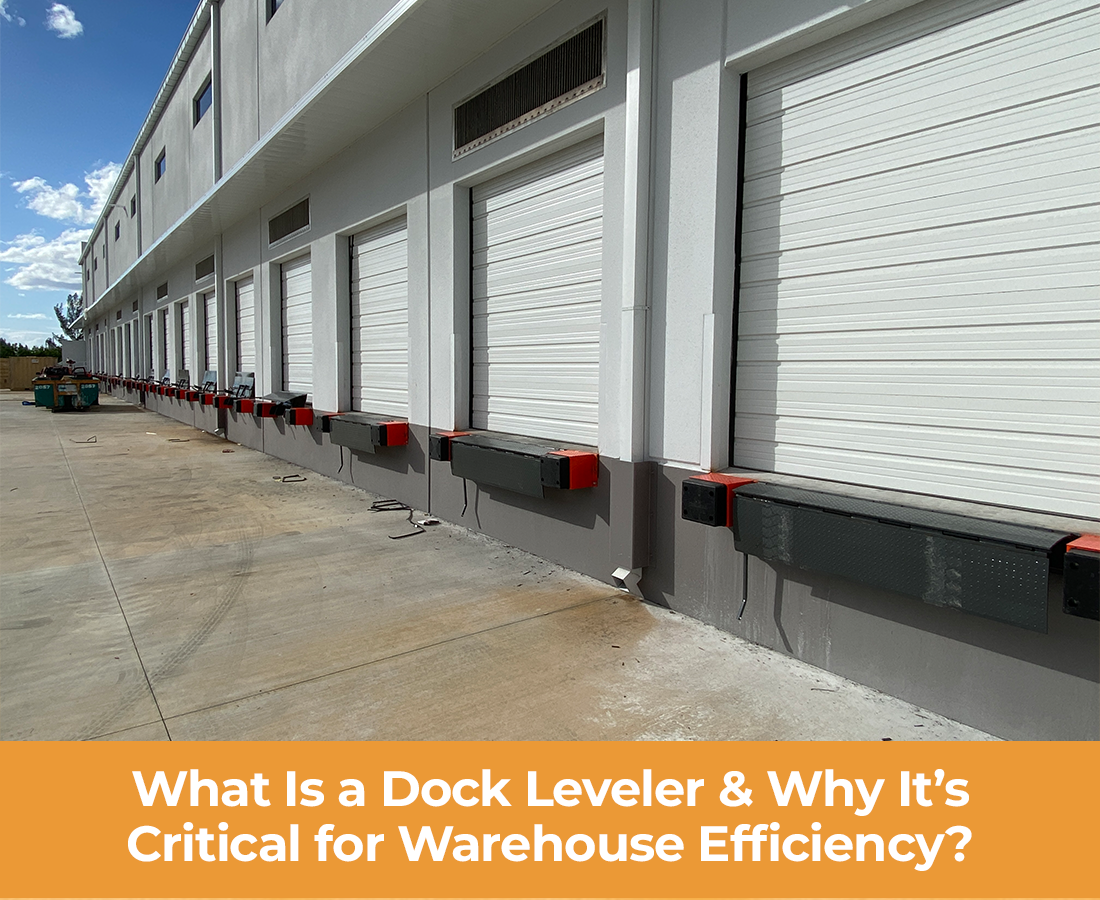
A dock leveler is a piece of warehouse loading dock equipment designed to create a smooth, adjustable transition between a dock and a truck bed. It compensates for height differences and makes loading and unloading safe and fast. Whether you’re dealing with a small delivery truck or a massive trailer, a dock leveler ensures everything runs like clockwork.

Why Are Dock Levelers So Important?

The main goal in any warehouse is to improve warehouse operations—and dock levelers play a big role in doing just that. Here’s why:

  • Safety First
    Gaps and height differences between docks and trucks are serious hazards. Dock levelers reduce the risk of slips, trips, and falls for workers and help prevent equipment damage during transfer.
  • Time Is Money
    Dock levelers speed up the loading and unloading process. Instead of manually adjusting to different trailer heights, workers can roll pallets or carts across a leveler without stopping.
  • Protects Your Equipment
    Uneven transfers can cause serious wear and tear on forklifts and other equipment. A properly installed dock leveler reduces strain on machines, which saves money on repairs and replacements.

Common Types of Dock Levelers

There are several types of dock levelers, and each serves a slightly different purpose:

  • Hydraulic Dock Levelers: Operated with a push button, these are perfect for high-volume facilities.
  • Mechanical Dock Levelers: Spring-activated and budget-friendly, but require more manual effort.
  • Air-Powered Dock Levelers: A great middle-ground option offering a mix of automation and cost-effectiveness.

At BXC Dock Services, we specialize in dock leveler installation and can recommend the best type for your warehouse needs.

How Dock Levelers Improve Warehouse Efficiency

Having the right warehouse dock leveler in South Florida can seriously boost your bottom line. Here’s how:

  • Reduces Downtime
    A good dock leveler makes the loading process seamless, so trucks spend less time at the dock. That means faster turnaround and more shipments out the door.
  • Fewer Accidents
    Smooth transitions reduce the chance of product or employee injury. This leads to fewer worker’s comp claims and damaged goods.
  • Keeps Workers Productive
    When equipment is easy to use and reliable, your crew stays focused and efficient.
  • Lower Maintenance Costs
    We install and maintain warehouse dock levelers South Florida businesses trust. With regular service, your equipment stays in top shape longer—saving you money and headaches.

Why South Florida Warehouses Trust BXC Dock Services

As a family-owned company, BXC Dock Services understands how vital dock equipment is to your day-to-day operations. Our technicians are trained, insured, and have years of experience servicing commercial and warehouse loading dock equipment across the region.

We don’t just install—we offer long-term solutions. From retrofit kits to custom hydraulic setups, we tailor every service to match your needs. Plus, we carry parts for most major brands, so many repairs are completed on the spot.

Whether you’re starting from scratch or replacing an outdated system, we make the process quick, easy, and affordable. Our Planned Maintenance Services also help prevent future breakdowns—keeping your operation smooth year-round.

Frequently Asked Questions

Q1: How often should a dock leveler be serviced?

At least once or twice a year, depending on usage. Regular maintenance prevents costly breakdowns.

Q2: Can I upgrade an older dock leveler instead of replacing it?

Yes. We offer retrofit kits and hydraulic conversions that can extend the life of your current equipment.

Q3: How long does a dock leveler installation take?

Most installations are completed in one day, especially when using original manufacturer parts.

Let’s Make Your Warehouse Safer & Smarter

If you’re looking for a reliable warehouse dock leveler in South Florida, BXC Dock Services has you covered. Call us today at (786) 554-8077 for a free estimate and don’t forget to ask about our 10% discount for new customers. From dock leveler installation to full-service maintenance, we help you improve warehouse operations without breaking the bank.

One visit, one solution—that’s the BXC difference.