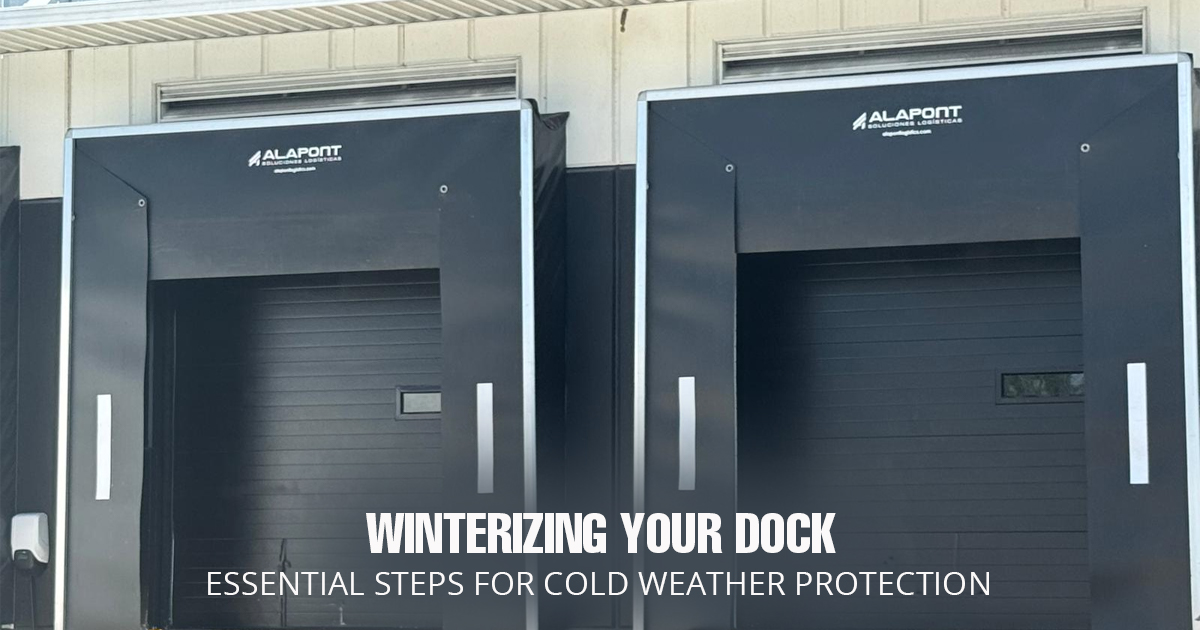
Winterizing Your Dock: Essential Steps for Cold Weather Protection

As winter approaches, warehouses and distribution centers face unique challenges that can disrupt daily operations. Freezing temperatures, ice, and snow make loading docks harder to use. Doors may stick, hydraulic systems can slow down, and surfaces become slippery. These problems can delay shipments, create safety hazards, and increase repair costs. BXC Dock Services offers expert Loading Dock services to help facilities prepare for winter and maintain smooth, safe operations.

Common Winter Dock Problems

Cold weather can affect dock equipment in multiple ways. Hydraulic levelers may respond slowly, dock plates can freeze, and seals may harden or crack. Ice on ramps increases the risk of slips for employees. Condensation that freezes overnight can jam mechanical parts, and insufficient insulation allows heat to escape, raising energy costs.

Ignoring these issues can lead to operational delays and expensive emergency repairs. Even small problems, like a frozen hinge or stiff seal, can halt loading and unloading. Addressing them before winter is essential for efficiency and safety.

How Cold Weather Affects Docks

Metal parts contract in low temperatures, making doors stiff and ramps harder to maneuver. Frozen seals and icy surfaces make everyday operations slower and riskier. Ice and snow buildup can damage dock edges and create hazards for staff.

We provide professional solutions for cold-weather dock protection, ensuring equipment continues to function properly. Regular checks and preventive steps help reduce downtime and maintain a safe working environment.

Professional Dock Installation Matters

Incorrect installation can worsen winter issues. Misaligned doors or levelers, loose seals, and poorly anchored components allow cold air in, increasing wear on equipment and energy costs.

High-quality Loading Dock Installation in Medley by BXC Dock Services ensures doors, levelers, and seals are installed correctly. Proper installation reduces drafts, prevents ice formation, and protects the dock from winter damage. This preparation also simplifies maintenance and ensures reliable operation during cold weather.

Steps to Protect the Dock in Winter

Winterization starts with a thorough inspection of all dock components. Seals should be checked for flexibility, moving parts lubricated, and surfaces cleared of moisture to prevent freezing. Drainage areas need attention to avoid ice buildup that can damage equipment.

By implementing professional solutions, we help businesses protect the dock in winter. Adjusting hydraulics, replacing worn seals, and applying proper lubrication ensure docks remain safe and fully operational even in freezing conditions.

Maintaining Dock Performance

Once winterized, docks require ongoing attention. Regular inspections identify potential issues before they escalate. Seasonal maintenance reduces downtime, prevents costly repairs, and extends the life of equipment.

BXC Dock Services offers reliable Loading Dock services to maintain dock efficiency during the cold season. This includes lubrication, hydraulic adjustments, and component checks to keep docks safe, functional, and ready for daily operations.

Importance of Cold-Weather Preparation

Failure to prepare docks for winter can result in frozen levelers, stuck doors, and cracked seals. Such problems slow operations and often require emergency repairs. By investing in professional winterization, including Loading Dock Installation in Medley, facilities ensure safe, smooth operations throughout the season.

Preparation also helps protect employees, preserve equipment, and maintain energy efficiency. A well-maintained dock can handle winter challenges without disrupting the workflow or creating hazards.

Keep Your Dock Safe This Winter

Ensure your dock operates safely and efficiently during cold months. Contact BXC Dock Services for expert cold-weather dock protection. Professional installation, inspections, and maintenance help warehouses reduce downtime, maintain safety, and keep operations on schedule. Preparing now can prevent costly problems and protect your investment throughout winter.

Frequently Asked Questions

  1. Why is winterizing a dock necessary?
    Cold temperatures can freeze seals, slow hydraulics, and create slippery surfaces. Winterization prevents these issues and keeps operations running smoothly.
  2. When should winterization start?
    Early fall is ideal. Preparing before the first freeze allows time for inspections, repairs, and protective measures.
  3. What services does BXC Dock Services offer for winterization?
    Services include inspections, lubrication, seal replacement, and professional Loading Dock Installation in Medley to ensure proper setup.
  4. How does winterization improve dock safety?
    It reduces slip hazards, ensures smooth operation of doors and ramps, and maintains reliable performance of all dock components.
  5. Can winterization reduce energy costs?
    Yes. Proper seals and insulation prevent heat loss and drafts, lowering heating expenses during the cold season.
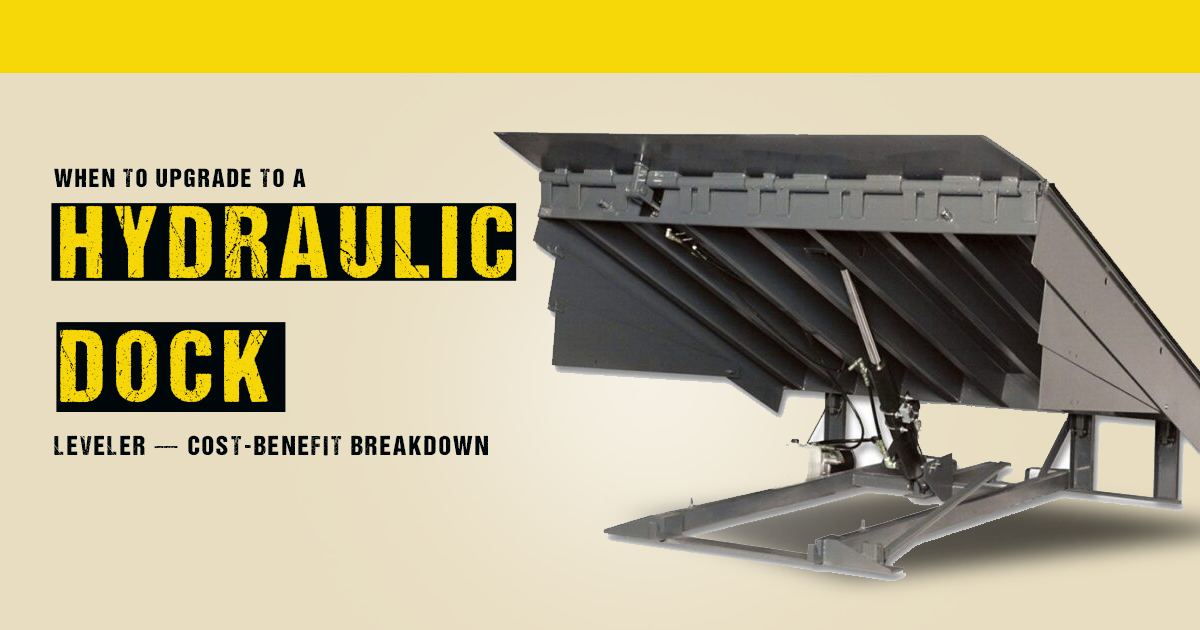
When to Upgrade to a Hydraulic Dock Leveler: Cost-Benefit Breakdown

Loading docks are the heartbeat of any warehouse or distribution center. But when equipment starts showing signs of wear, the entire workflow slows down. From delayed shipments to safety concerns, a malfunctioning dock leveler creates ongoing challenges for businesses. Many managers find themselves scheduling constant dock leveler repair, only to realize the problems keep coming back. The real question becomes, how do you know when it’s time to stop repairing and start upgrading?

The Hidden Costs of Struggling Equipment

Day-to-day operations demand reliability. When a mechanical dock leveler becomes difficult to operate, the problems ripple through the entire supply chain. Workers face physical strain with manual pull chains, trucks spend longer at the dock, and unexpected downtime interrupts schedules. What seems like a minor inconvenience at first often grows into lost efficiency and added maintenance.

Even with ongoing service, the wear on springs, hinges, and chains adds up. Over time, relying solely on patchwork fixes can take a toll on productivity. For many facilities, this is the first sign that it’s time to look at long-term solutions rather than short-term repairs.

Safety Concerns with Aging Dock Levelers

Safety is always a top priority in any loading operation. When dock equipment isn’t working as it should, risks increase for both employees and truck drivers. Unstable platforms, uneven levels, and malfunctioning parts create hazards that no business can afford to ignore.

In high-volume environments, every second counts. Mechanical systems that once seemed reliable may now cause unnecessary delays and risks. At this stage, managers often begin to weigh the choice between another round of service and a complete upgrade. That’s when the value of hydraulic technology becomes clear.

Why Hydraulic Dock Levelers Make a Difference

Hydraulic dock levelers are designed for ease and efficiency. With push-button operation, they eliminate the physical strain that comes with manual systems. More importantly, they handle high volumes of work without constant adjustments. For facilities that depend on fast, reliable turnaround, hydraulics deliver smoother operations and greater consistency.

While mechanical models may still work for some businesses, the convenience and reduced strain of hydraulic systems make them a smart investment for long-term performance. This is especially true in busy regions where quick access to service is critical, such as facilities that depend on dock leveler repair in Miami teams for ongoing maintenance.

Repair vs. Replacement: Finding the Balance

The decision point often comes when repairs become too frequent. Managers start calculating whether repeated service calls are truly cost-effective. That’s where the comparison of dock leveler replacement vs repair comes in.

If equipment is nearing the end of its life, replacement often delivers better value. Upgrading to hydraulic systems reduces downtime, streamlines workflow, and provides reliability without the constant need for adjustments. On the other hand, if the unit is still in relatively good shape, a repair may buy more time. The key is knowing when repairs are no longer solving the bigger problem.

At BXC Dock Services, we help clients evaluate this decision with clarity. Our team understands the demands of busy docks and works closely with facility managers to recommend the best path forward.

The Cost-Benefit Breakdown

Looking at the bigger picture, hydraulic dock levelers offer long-term savings through efficiency, durability, and reduced labor strain. Mechanical models may have a lower initial investment, but frequent servicing and the manual effort required can add up over time.

The benefit of hydraulic upgrades isn’t just about convenience;  it’s about creating a safer, faster, and more reliable dock operation. When employees spend less time wrestling with manual equipment, they can focus on moving freight efficiently. That shift alone contributes to higher productivity and smoother workflows.

How BXC Dock Services Can Help

Upgrading dock equipment is a big decision, and it requires the right partner. At BXC Dock Services, we specialize in guiding businesses through the process. From inspecting current systems to providing expert recommendations, our team ensures each facility gets the best solution for its unique needs.

Whether you’re scheduling routine maintenance, considering an upgrade, or wondering about when to replace the dock leveler equipment, we’re here to help. Our experienced technicians deliver dependable service that keeps your operations moving without unnecessary delays.

FAQs

Q1: What are the main signs that my dock leveler needs to be replaced?
 Frequent breakdowns, safety concerns, and reduced performance are strong indicators that it may be time to consider upgrading.

Q2: Do hydraulic dock levelers require less maintenance?
 Yes, hydraulic models typically need fewer adjustments and less frequent service compared to mechanical systems.

Q3: How do I decide between repair and replacement?
 It depends on the condition of your current unit. If repairs are ongoing and performance remains poor, replacement is often the better option.

Q4: Can BXC Dock Services handle both repairs and installations?
 Absolutely. We provide comprehensive solutions, including service, maintenance, and full hydraulic dock leveler upgrades.

Q5: How quickly can services be scheduled?
 We work closely with each client to ensure timely service that minimizes downtime and keeps dock operations on track.

Upgrade with BXC Dock Services Today

When it comes to dock operations, waiting too long to upgrade can cost more in the long run. Don’t let constant breakdowns slow down your business. At BXC Dock Services, we make it simple to move forward with confidence. Whether you need expert advice, dependable maintenance, or a full upgrade, our team is ready to deliver.

If you’ve been debating when to replace the dock leveler equipment, now is the time to take the next step. Contact us today and discover how a hydraulic dock leveler upgrade can transform your workflow.